

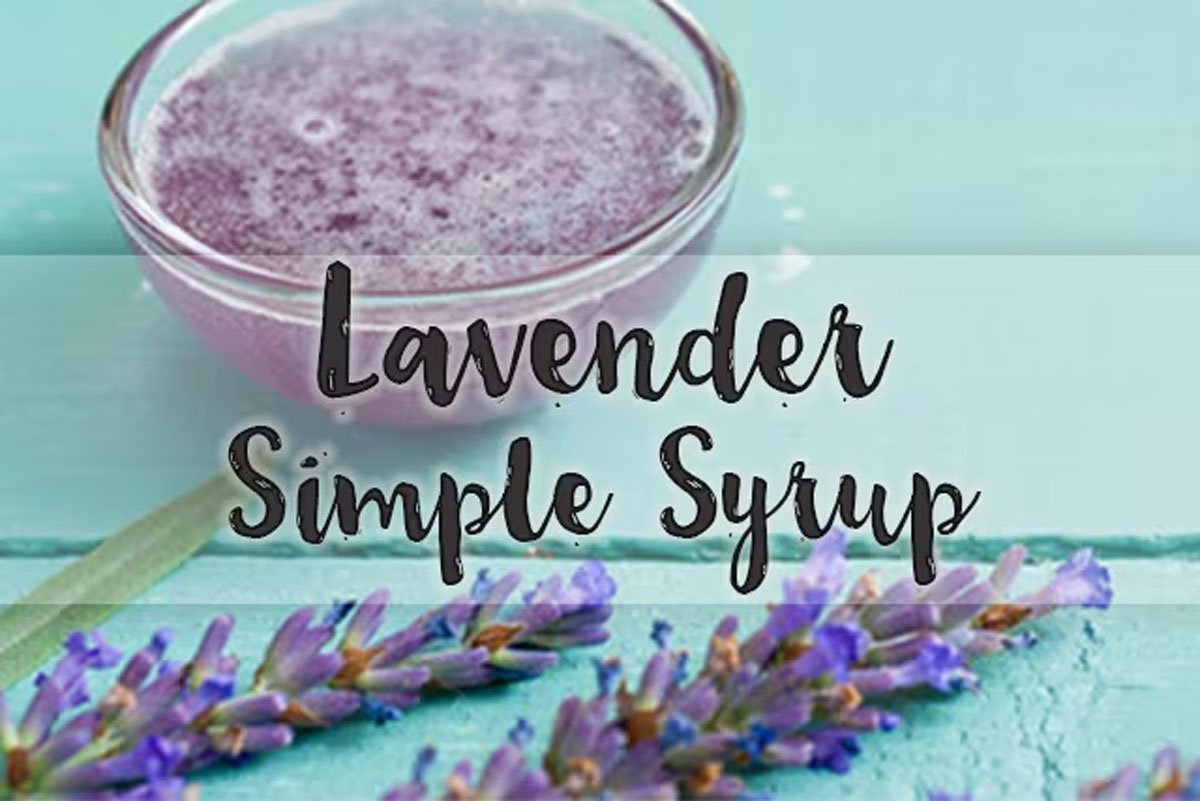
If you want a floral syrup that tastes gentle instead of perfumy, the trick is not more lavender. It is the right lavender, a short steep, and a clean 1:1 simple syrup base. This guide shows how to make lavender simple syrup for coffee, lemonade, tea, cocktails, mocktails, and desserts with dried or fresh culinary lavender.
Quick answer: Combine 1 cup water, 1 cup sugar, and 1 to 2 tablespoons dried culinary lavender in a small saucepan. Heat just until the sugar dissolves, remove from the heat, steep 15 to 20 minutes, strain, cool, and refrigerate. Start with less lavender if you are making it for matcha, tea, or lattes, where floral flavors can take over quickly.
Once you know how to make lavender simple syrup with this gentle method, you can scale the batch up or down without changing the basic 1:1 water-to-sugar ratio.
Prep time: 5 minutes
Cook time: 5 minutes
Steep time: 15 to 20 minutes
Yield: About 1 1/4 cups
Best for: lavender lattes, lemonade, iced tea, gin cocktails, sparkling water, cakes, and fruit desserts
Ingredients for Lavender Simple Syrup
- 1 cup water: filtered water gives the cleanest flavor, especially for delicate drinks.
- 1 cup granulated sugar: white sugar keeps the lavender flavor clear. Cane sugar works too, though it can add a warmer note.
- 1 to 2 tablespoons dried culinary lavender: use 1 tablespoon for a light syrup and 2 tablespoons for stronger cocktails or lemonade.
- 1 teaspoon fresh lemon juice, optional: this brightens the floral flavor after straining. It is not enough to make the syrup taste lemony.
- Pinch of salt, optional: a tiny pinch can soften the sweetness in coffee drinks.
The most important ingredient is culinary lavender. Decorative lavender, fragrance lavender, potpourri, and essential oils are not good substitutes. They may be treated for scent rather than food use, and they are much more likely to taste harsh, bitter, or soapy.
The Gentle Steep Method
- Warm the water and sugar. Add 1 cup water and 1 cup sugar to a small saucepan. Set it over medium-low heat and stir until the sugar dissolves. You do not need a hard boil.
- Add the lavender. Stir in 1 to 2 tablespoons dried culinary lavender. Once the syrup is steaming and the sugar is fully dissolved, turn off the heat.
- Steep gently. Cover the pan and steep for 15 minutes. Taste a cooled spoonful. If you want more flavor, steep 5 more minutes.
- Strain well. Pour the syrup through a fine mesh strainer into a clean jar or measuring cup. Do not press the lavender hard, because that can push bitter compounds into the syrup.
- Finish and cool. Stir in lemon juice or a tiny pinch of salt if using. Let the syrup cool, then refrigerate in a sealed bottle or jar.
For the best flavor, keep the heat gentle. Boiling lavender for several minutes can make the syrup taste medicinal. Think of it more like steeping tea than cooking a sauce.
Dried vs Fresh Lavender: How Much to Use
Dried lavender is stronger by volume because the water has been removed. Fresh lavender is softer and greener, but you need more of it. If you are testing a new bag or bundle, start mild. You can always steep the syrup a little longer, but you cannot easily remove an overpowering floral note once it is in the batch.
| Lavender type | Amount for 1 cup water + 1 cup sugar | Best use | Flavor note |
|---|---|---|---|
| Dried culinary lavender | 1 tablespoon | Lattes, tea, matcha, sparkling water | Light and low risk |
| Dried culinary lavender | 2 tablespoons | Lemonade, gin drinks, strong iced coffee | More floral and aromatic |
| Fresh culinary lavender buds | 3 to 4 tablespoons | Fresh summer drinks | Softer, greener, less concentrated |
| Lavender essential oil | Do not use | Not recommended for this recipe | Too concentrated and often not food grade |
“My old shop made a fantastic homemade lavender! … remember to get culinary grade lavender, not standard dried lavender. This makes a HUGE difference in the flavor and helps avoid that soapy taste.”
– r/barista, April 2026
Preventing Bitter or Soapy Flavor
The most common complaint with lavender syrup is that it tastes like soap. That usually comes from one of four things: non-culinary lavender, too much lavender, too much heat, or too long of a steep.
- Use culinary lavender only. English lavender, often labeled Lavandula angustifolia, is a common culinary choice.
- Start with 1 tablespoon dried lavender. This is enough for a clear floral note without overwhelming tea, matcha, or coffee.
- Do not aggressively boil the buds. Dissolve the sugar first, add lavender, then steep off heat.
- Taste at 15 minutes. If it tastes floral and pleasant, strain it. Longer is not automatically better.
- Add acid after straining. A teaspoon of lemon juice can make the syrup taste brighter, but adding lots of lemon turns it into lemon-lavender syrup.
If your syrup is already too strong, dilute it with a little plain simple syrup. If it is bitter, use it in lemonade or a sour cocktail where citrus can balance the edge. For lattes and tea, it is usually better to remake a lighter batch.
Why Is My Lavender Simple Syrup Not Purple?

Homemade lavender simple syrup is often pale gold, light amber, faint pink, or almost clear. That is normal. Lavender flowers look purple because of pigments in the petals, but those pigments do not always transfer strongly into a sugar syrup.
The final color depends on the lavender variety, age, drying method, steep time, sugar type, and whether you add lemon juice. A little lemon juice may shift some batches slightly pink, but it is not guaranteed. If color matters for a party drink, use a tiny amount of butterfly pea flower or a food coloring made for beverages. Flavor should still come first.
Best Uses and Serving Amounts
Lavender syrup works best when you measure it like a flavoring, not just a sweetener. For most drinks, 1 to 2 tablespoons is enough, while delicate drinks like matcha and hot tea often need only 1 to 2 teaspoons.
| Drink or dish | How much syrup to use | Best pairing |
|---|---|---|
| Iced latte | 1 tablespoon | Espresso, oat milk, vanilla |
| Matcha latte | 1 to 2 teaspoons | Milk, vanilla, honey |
| Lemonade | 2 tablespoons per glass | Fresh lemon, sparkling water |
| Gin sour or French 75 | 1/2 to 3/4 ounce | Lemon, gin, sparkling wine |
| Hot tea | 1 to 2 teaspoons | Chamomile, Earl Grey, black tea |
| Cake layers | Brush lightly | Lemon cake, vanilla cake, berry cake |
For a coffeehouse-style lavender latte, add 1 tablespoon syrup to a glass, stir in espresso, then add milk and ice. For lavender lemonade, stir 2 tablespoons syrup with 2 tablespoons fresh lemon juice and 1 cup cold water or sparkling water. For a fast mocktail, combine lavender syrup, lemon juice, crushed ice, and soda water.
Can You Make Rich Lavender Syrup?
Yes. A rich syrup uses 2 parts sugar to 1 part water. For lavender syrup, that means 2 cups sugar, 1 cup water, and 1 to 2 tablespoons dried culinary lavender. Rich syrup is thicker, sweeter, and longer lasting than a 1:1 syrup, and it is useful for cocktails because it adds sweetness without adding as much water.
For everyday coffee and lemonade, a 1:1 syrup is easier to pour and easier to balance. For cocktails, rich lavender syrup can be excellent, but start with a smaller amount in the glass because it is sweeter.
Storage, Shelf Life, and Freezing
Store cooled lavender simple syrup in a clean, sealed jar or bottle in the refrigerator. A standard 1:1 syrup is best within 2 to 4 weeks. Rich 2:1 syrup can last longer, but it should still be refrigerated and checked before use.
Use a clean spoon or pour spout every time. Discard the syrup if it becomes cloudy, smells fermented, grows mold, or develops bubbles when it has not been shaken. This homemade version is not canned and does not contain preservatives, so refrigeration matters.
You can freeze lavender syrup in ice cube trays for longer storage. Once frozen, move the cubes to a freezer bag. Drop a cube into iced tea, lemonade, or sparkling water whenever you want a quick floral drink.
Lavender Simple Syrup Variations
Once you like the base recipe, you can adjust the sweetener, citrus, fruit, or warm flavors without changing the core method. Add delicate finishing flavors after straining so they stay bright instead of cooked.
- Honey lavender syrup: Replace half the sugar with honey. Add the honey after turning off the heat to protect its flavor.
- Vanilla lavender syrup: Add 1/2 teaspoon vanilla extract after straining.
- Lemon lavender syrup: Add 1 to 2 tablespoons lemon juice and a few strips of lemon zest while steeping.
- Blueberry lavender syrup: Add 1/2 cup blueberries while warming the syrup, then strain well.
- Lavender brown sugar syrup: Use light brown sugar for a deeper flavor that works well in coffee and bourbon drinks.
Frequently Asked Questions
What is the best ratio for lavender simple syrup?
The best starting ratio is 1 cup water, 1 cup sugar, and 1 tablespoon dried culinary lavender. Increase to 2 tablespoons only if you want a stronger syrup for lemonade or cocktails.
Can I make lavender simple syrup with fresh lavender?
Yes. Use 3 to 4 tablespoons fresh culinary lavender buds for every 1 cup water and 1 cup sugar. Make sure the lavender is food grade and free from pesticides.
How long should lavender steep in simple syrup?
Steep lavender for 15 to 20 minutes off heat. Taste at 15 minutes. If the syrup is already fragrant, strain it right away to avoid bitterness.
Why does my lavender syrup taste like soap?
It may be too concentrated, oversteeped, overboiled, or made with lavender that was not intended for cooking. Use culinary lavender, keep the heat low, and start with a smaller amount.
Can I use lavender extract instead?
You can, but it is much stronger and less forgiving than steeped lavender buds. If using extract, add it drop by drop to plain simple syrup after the syrup cools.
How long does homemade lavender syrup last?
A refrigerated 1:1 lavender simple syrup usually keeps for 2 to 4 weeks in a clean sealed jar. Freeze it in cubes if you want to keep it longer.
Is lavender simple syrup good in coffee?
Yes, especially in iced lattes, cold brew, mochas, and London fog-style drinks. Start with 1 tablespoon per drink so the lavender supports the coffee instead of covering it.
Final Tips for the Best Batch
Lavender simple syrup is easy, but it rewards restraint. Use culinary lavender, dissolve the sugar gently, steep off heat, and strain as soon as the flavor tastes balanced. A pale syrup is not a failure, and a stronger floral smell does not always mean a better drink. The best batch should taste sweet, clean, lightly floral, and ready to disappear into a glass of lemonade or an iced latte. That is the real key to how to make lavender simple syrup you will actually use often.