

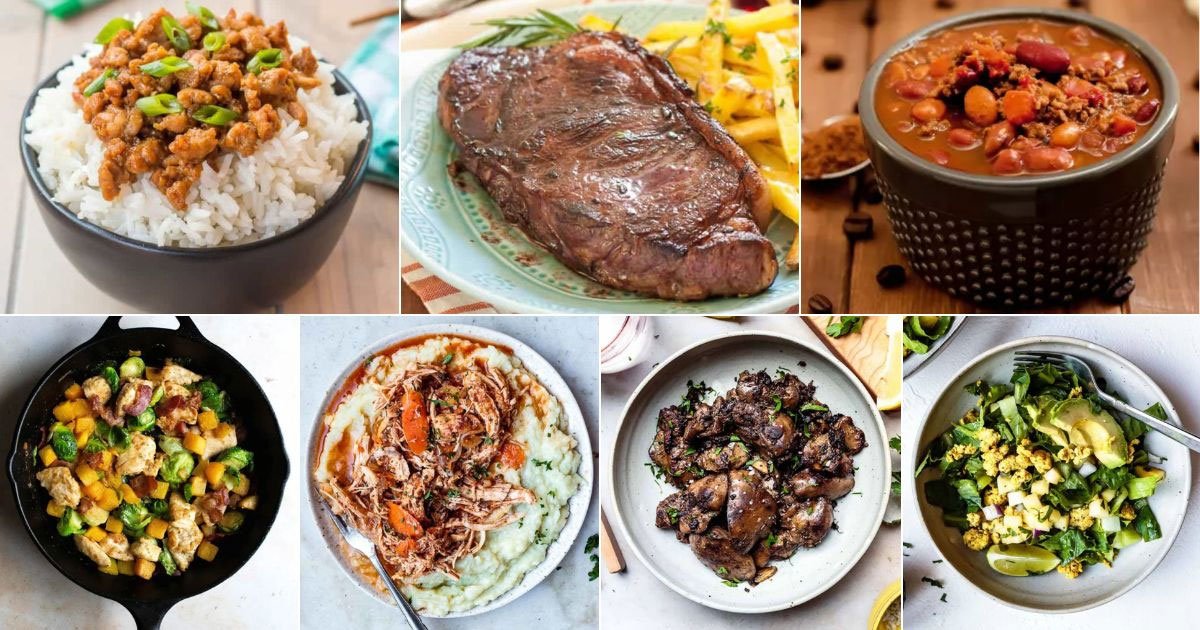
Most gluten-free dinner recipe ideas fail before they reach the table. Not because the food tastes bad, but because the planning falls apart, wrong pasta texture, a hidden tablespoon of wheat flour in a sauce, or the realization that you’ve bought three different rice flours with no idea which one actually thickens a gravy. For the roughly 3 million Americans managing celiac disease and the millions more avoiding gluten for sensitivity reasons, dinner isn’t a casual choice. It’s a daily negotiation between what’s safe, what’s satisfying, and what won’t take two hours to prepare.
This guide changes that. You’ll get over 30 recipes built for real constraints — fifteen-minute meals for exhausted weeknights, family-friendly plates that even picky eaters won’t question, and options that intersect with dairy-free, vegan, or budget-conscious cooking. But more importantly, you’ll learn the mechanics that make celiac-friendly meals work consistently: which grain substitutes actually hold up in a casserole, how to prevent cross-contamination without rebuilding your kitchen, and why your gluten-free comfort food keeps turning out dry (and exactly what to do about it).
What You Need for Gluten-Free Dinner Success
Most people think going gluten-free for dinner means eating sad salads and overcooked rice. That’s wrong. The real challenge isn’t what you can’t eat — it’s learning to spot where gluten hides and stocking a pantry that makes cooking effortless. Get those two things right, and the recipes practically write themselves.
What “Gluten-Free Dinner” Really Means
Gluten-free dinner means zero wheat, barley, or rye in any form. That’s the easy part. The trap is everything else: soy sauce (brewed with wheat), canned broths (often use barley malt), seasoning blends (anti-caking agents can contain wheat starch), and even some “natural flavors” derived from gluten sources. According to the Celiac Disease Foundation (2023), cross-contamination from shared cooking surfaces is the leading cause of accidental gluten exposure in home kitchens — not the obvious bread or pasta.
For celiac-friendly meals, the rule is simple: if it didn’t come labeled “certified gluten-free,” assume it’s not safe. Sauces, marinades, and condiments are the worst offenders. Tamari is your replacement for soy sauce. Cornstarch thickens soups where flour used to. And always check labels on items like canned tomatoes — some brands add wheat-based thickeners.
Your Gluten-Free Pantry Starter Kit
A well-stocked pantry turns “what’s for dinner?” from a panic into a 15-minute decision. Here are the ten essentials that cover 90% of gluten-free dinner recipe ideas:
| Ingredient | Why You Need It | Common Swap If Out of Stock |
|---|---|---|
| Gluten-free pasta (rice/corn blend) | Holds texture better than single-grain pastas; doesn’t turn to mush | Chickpea or lentil pasta (higher protein, nuttier flavor) |
| Tamari or coconut aminos | Gluten-free soy sauce replacement for stir-fries, marinades, dipping | Liquid aminos (similar flavor, slightly sweeter) |
| Cornstarch | Thickens sauces, gravies, and soups without wheat flour | Arrowroot powder (works 1:1, clearer finish) |
| Gluten-free all-purpose flour blend | For breading chicken, thickening roux, making tortillas or dumplings | Almond flour (for coating, not thickening) |
| Canned beans (black, chickpea, kidney) | Instant protein for tacos, chilis, stews, and salads | Dried beans (soak overnight, cook 45-90 min) |
| Quinoa | Complete protein grain substitute; cooks in 15 minutes | Millet or buckwheat groats (similar cook time) |
| White or brown rice | Base for bowls, stir-fries, and side dishes | Cauliflower rice (low-carb, cooks in 5 min) |
| Certified gluten-free broth | Base for soups, risottos, and cooking grains | Water + bouillon paste (check label for GF certification) |
| Nutritional yeast | Adds cheesy, umami flavor to dairy-free sauces and pastas | Parmesan (if dairy is okay) |
| Corn tortillas (certified GF) | Base for tacos, enchiladas, and wraps; naturally gluten-free when made in dedicated facilities | Lettuce wraps or grain-free cassava tortillas |
5 Quick & Easy Gluten-Free Dinner Ideas (Under 30 Minutes)
Getting a celiac-friendly meal on the table in under half an hour is not about complicated recipes. It is about smart shortcuts and knowing which ingredients already work in your favor. These five dinners use minimal components, cook fast, and skip the specialty-store hunting. Each one also sidesteps the most common beginner trap: assuming a dish is gluten-free just because it looks like it should be.
1. One-Pan Lemon Herb Chicken & Rice
Season boneless chicken thighs with salt, pepper, dried oregano, and lemon zest. Sear them in an oven-safe skillet for three minutes per side. Add one cup of long-grain white rice (certified gluten-free , some bulk-bin rice faces cross-contamination risk), two cups of low-sodium chicken broth (check the label; many broths contain hidden wheat-derived flavorings), and a squeeze of fresh lemon juice. Cover and bake at 375°F for 22 minutes. The rice absorbs the broth while the chicken stays juicy. One pan, zero stirring, minimal cleanup. According to the Celiac Disease Foundation (2024), using separate cooking vessels for gluten-free meals is a cornerstone of cross-contamination prevention at home.
2. 15-Minute Gluten-Free Pasta with Garlic & Olive Oil
Quality matters here. A rice-and-corn blend pasta holds its structure better than pure brown rice pasta, which tends to disintegrate. Boil the pasta in generously salted water for exactly one minute less than the package instructs. Reserve half a cup of pasta water before draining. Return the pasta to the pot with a quarter cup of extra-virgin olive oil, four minced garlic cloves, and a pinch of red pepper flakes. Toss over low heat, adding pasta water a tablespoon at a time until the sauce coats each strand. The starch from the pasta water creates a silky emulsion that gluten-free pasta cannot produce on its own. What many beginners do not realize: rinsing gluten-free pasta after draining strips that starch and guarantees a slippery, sauce-repellent result. Do not rinse.
3. Sheet Pan Salmon & Roasted Vegetables
Line a baking sheet with parchment paper. Place two salmon fillets (six ounces each) on one side, and arrange chopped broccoli, bell peppers, and red onion on the other. Drizzle everything with olive oil, salt, and smoked paprika. Roast at 400°F for 14 minutes. The salmon reaches medium doneness at 125°F internal temperature, while the vegetables caramelize at the edges. No separate pans, no stovetop monitoring, no gluten-containing marinades. For families managing both celiac and dairy restrictions, this recipe requires zero substitutions , it is naturally dairy-free and uses whole foods that carry no gluten risk.
4. Black Bean & Corn Tacos (Corn Tortillas)
Corn tortillas are naturally gluten-free, but manufacturing facilities often process wheat tortillas on shared equipment. Look for packages labeled “certified gluten-free” or “made in a dedicated facility.” Heat a can of black beans (rinsed) with frozen corn, ground cumin, and lime juice in a skillet for five minutes. Warm the tortillas directly over a gas flame or in a dry pan for thirty seconds per side. Fill with the bean mixture, diced avocado, and a squeeze of lime. This meal costs under $8 for four servings and uses pantry staples that anyone newly diagnosed with celiac disease can keep on hand without stress.
5. Quick Stir-Fry with Tamari & Veggies
Tamari is the gluten-free alternative to soy sauce , it is made from soybeans with little or no wheat. Regular soy sauce contains wheat as a primary ingredient. Heat sesame oil in a wok or large skillet over high heat. Add sliced chicken breast or firm tofu, cook for four minutes, then add a bag of frozen stir-fry vegetables. Toss for three more minutes. Add two tablespoons of tamari, a teaspoon of grated ginger, and a splash of rice vinegar. Cook for one final minute. The high heat keeps vegetables crisp and prevents the tamari from burning into a bitter glaze. For households managing multiple dietary restrictions, this dish adapts easily: swap tamari for coconut aminos to make it soy-free, or add a scrambled egg

Gluten-Free Dinner Ideas for Every Lifestyle
Not everyone who needs gluten-free dinner recipe ideas has the same budget, diet, or protein goals. A vegan celiac faces different constraints than a parent feeding a family of five on a tight grocery run. The table below breaks down three common dietary intersections , vegan, high-protein, and budget-friendly , with specific meals that actually work.
Quick Decision Table
| Dietary Intersection | Example Dinner | Key Ingredient Swap |
|---|---|---|
| Gluten-Free + Vegan | Red lentil curry with basmati rice | Use full-fat coconut milk for creaminess; skip the yogurt garnish |
| Gluten-Free + High Protein | Grilled chicken breast with quinoa & roasted broccoli | Marinate chicken in tamari and garlic for extra flavor without gluten |
| Gluten-Free + Budget | Bean chili with cornbread (GF flour blend) | Buy dried beans in bulk; use store-brand GF flour mix |
Each row addresses a real-world constraint. For the vegan option, red lentils cook in under 20 minutes and provide roughly 18 grams of protein per cup , a solid baseline for a plant-based dinner. The high-protein meal uses quinoa, which is a complete protein (all nine essential amino acids) and naturally gluten-free. The budget chili relies on pantry staples that cost roughly $1.50 per serving when you buy dried beans instead of canned.
Pro Tip for Each Category
Vegan. Nutritional yeast is your shortcut to a savory, cheese-like flavor without dairy. Stir a tablespoon into the lentil curry just before serving , it adds B vitamins and a nutty depth that mimics parmesan.
High Protein. Don’t rely on meat alone. Eggs, firm tofu, and canned chickpeas all work as protein boosters in gluten-free dinners. A single large egg adds 6 grams of protein; half a block of tofu adds about 20 grams.
Budget. Dried beans cost roughly one-third the price of canned. Soak them overnight, cook in bulk on Sunday, and freeze portions for quick weeknight meals. A pound of dried black beans yields about six cups cooked , enough for three separate dinners.
Common Gluten-Free Dinner Mistakes (And How to Fix Them)
Most gluten-free dinner failures come down to three predictable problems: mushy pasta, dry baked goods, and accidental cross-contamination. Each has a simple fix once you understand why gluten-free ingredients behave differently.
Why Does My Gluten-Free Pasta Get Mushy?
Gluten-free pasta releases significantly more starch during cooking than wheat pasta. That starch gelatinizes quickly, turning al dente noodles into paste in about 60 seconds. The fix: cook for one minute less than the package directs, then rinse thoroughly with cold water. This stops the cooking process and washes away excess surface starch. For celiac-friendly meals, use a dedicated colander , even trace wheat starch stuck in a shared colander can cause cross-contamination.
How to Avoid Cross-Contamination at Home
Cross-contamination is the quiet saboteur of gluten-free cooking. According to the Celiac Disease Foundation (2024), even 20 parts per million of gluten can trigger symptoms in sensitive individuals. The most overlooked sources are shared wooden cutting boards (gluten hides in knife grooves), toasters, and colanders. Three rules: designate a separate toaster for gluten-free bread only, replace scratched non-stick pans, and use color-coded cutting boards (red for gluten-free, green for everything else). Store gluten-free grain substitutes like quinoa and rice flour in labeled airtight containers above wheat-based flours to prevent dust settling.
On r/glutenfree, a community where people managing celiac disease and gluten sensitivity trade practical advice, the frustration around cross-contamination at home comes up constantly. One user captured the tension that plays out in shared kitchens everywhere:
“I’m just super frustrated right now. Even though my dad is a diagnosed celiac, neither of them take cross-contamination seriously, as my father usually doesn’t get any obvious symptoms from ingesting small amounts of gluten. I feel like I’m being dramatic every time I ask for a clean cutting board.”
— u/Imscaredofplanes, r/glutenfree, April 2022 (48 upvotes)
This is not an edge case. Cross-contamination from shared kitchen tools is the leading cause of accidental gluten exposure in home kitchens, according to the Celiac Disease Foundation. The three rules above are not optional extras. They are the difference between a safe meal and one that makes someone sick.
Fixing Dry or Crumbly Gluten-Free Bakes
Gluten-free flours lack the protein network that traps moisture in conventional baking. The result: cornbread that crumbles, biscuits that crack, and casseroles that dry out. Add one extra egg per cup of gluten-free flour blend, or one tablespoon of neutral oil like avocado or grapeseed. Another trick that surprises most home cooks: let gluten-free batters rest for 5–10 minutes before baking. This allows the starches (tapioca, potato, rice) to fully hydrate, producing a texture closer to traditional gluten-free comfort food. Skip this step, and you get gritty, dry results every time.
| Mistake | Why It Happens | The Fix |
|---|---|---|
| Mushy pasta | Excess starch gelatinization | Cook 1 min under package time; rinse with cold water |
| Cross-contamination | Shared tools & porous surfaces | Dedicated toaster, color-coded boards, sealed storage |
| Dry baked goods | No gluten protein network | Add 1 extra egg or 1 tbsp oil; rest batter 5–10 min |
Frequently Asked Questions
What can I eat for dinner that is gluten-free?
Almost any dinner you already love can be made gluten-free with the right swaps. Think grilled proteins (chicken, fish, steak) paired with rice, quinoa, or potatoes and roasted vegetables. Mexican bowls, stir-fries with tamari, sheet pan meals, and bean-based chilis all work naturally. The key is avoiding wheat, barley, and rye , and checking sauces, broths, and seasonings for hidden gluten. The Celiac Disease Foundation (2024) estimates that 1 in 133 Americans has celiac disease, meaning safe dinner options are more widely available than ever.
What are the best gluten-free dinner recipes for beginners?
Start with naturally gluten-free meals that require zero special ingredients. Tacos on corn tortillas, baked salmon with vegetables, black bean soup, or grilled chicken with rice and steamed broccoli. These don’t demand gluten-free flour blends or specialty pasta, so there’s less room for error. Once you’re comfortable, branch into gluten-free pasta dishes , just watch your cooking time closely (more on that below).
How do I make gluten-free pasta not mushy?
Gluten-free pasta releases more starch than wheat pasta, which turns it to glue if you overcook it. Boil in generously salted water , at least 4 quarts per pound. Cook for 1 minute less than the package directions. Rinse briefly with warm water after draining to wash away excess starch. Toss immediately with sauce so the strands don’t clump. Brown rice and corn blends hold up better than pure rice pasta for beginners.
Can you freeze gluten-free casseroles?
Yes, with one important caveat: gluten-free pasta and rice absorb moisture differently after freezing and thawing. Assemble the casserole completely but stop short of baking. Freeze in a dish wrapped tightly with foil and plastic wrap. When ready, thaw overnight in the refrigerator and bake as directed, adding 10–15 minutes. Casseroles based on potatoes, beans, or quinoa freeze better than those relying on gluten-free pasta. Most stay good for up to 3 months.
What are some gluten-free dinner ideas that are also dairy-free?
Many cuisines naturally avoid both gluten and dairy. Thai coconut curry with rice, Mexican chicken tortilla soup (hold the cheese), Mediterranean grilled lamb with roasted vegetables, and Vietnamese pho (use rice noodles and verify the broth is gluten-free) all fit. Nutritional yeast adds a cheesy flavor to sauces without dairy. The key is reading labels on broths, spice blends, and canned coconut milk , some contain additives with gluten or milk solids.
How do I prevent cross-contamination in my kitchen?
Dedicate separate cutting boards for gluten-free prep , wood boards absorb gluten particles. Use a distinct colander for gluten-free pasta; the holes in shared colanders trap wheat starch. Store gluten-free flours in labeled airtight containers, never above wheat flour where dust can settle. The FDA’s gluten-free labeling rule (2013) requires products to contain less than 20 parts per million of gluten, but shared kitchen equipment has no such regulation. A separate toaster is the single most effective change you can make.
Conclusion
The Real Takeaway
Gluten-free dinner recipe ideas don’t have to mean bland, complicated, or isolating meals. The recipes in this guide prove that celiac-friendly meals can be just as satisfying as anything with wheat. Start with the five quick recipes under 30 minutes. They build confidence fast.
Stock Your Pantry
Keep your kitchen stocked with gluten-free grain substitutes like quinoa, rice, and certified GF oats. Tamari replaces soy sauce. Cornstarch thickens sauces without flour. When you have these basics, a gluten-free dinner is never more than 20 minutes away.
Don’t Fear Mistakes
Every home cook overboils gluten-free pasta at least once. It happens. The trick is to cook it one minute less than the package says, then rinse with cold water. Cross-contamination prevention matters, but perfection isn’t the goal. Progress is.
Your Next Step
Gluten-free comfort food exists. Tacos with corn tortillas. Sheet pan salmon. One-pan lemon chicken. They’re all here. Save this guide for your next meal plan. Pick one recipe tonight. Cook it. See how easy it actually is.