

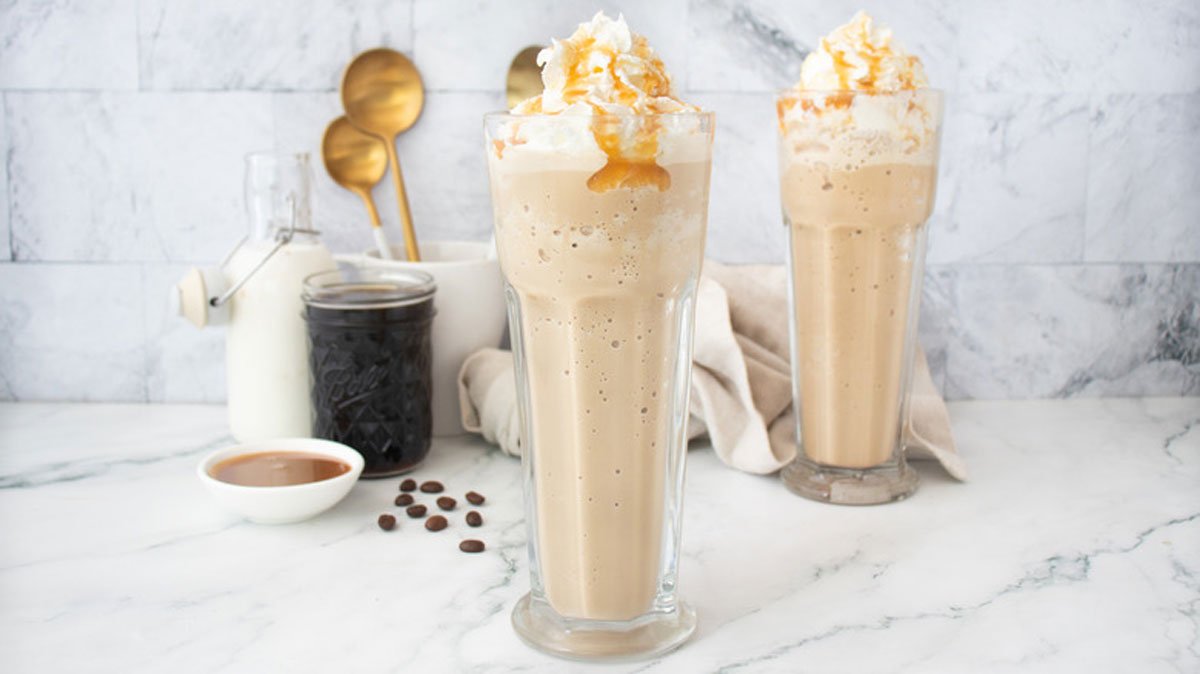
How to Make Frozen Coffee Drinks at Home (Like a Pro)
The fastest way to ruin a homemade frozen coffee drink is to use regular ice cubes. You blend them into a beautiful slushie, take one sip, and by the third swallow, you’re drinking watery coffee-flavored milk. It’s the single most common mistake home enthusiasts make, and it’s the reason most people give up and drive to the coffee shop.
Learning how to make frozen coffee drinks at home that actually rival the texture of a professional barista’s work isn’t about fancy equipment. It’s about understanding one principle: dilution control. Whether you want a thick iced coffee, a creamy frozen latte, a coffee slushie, or even a coffee granita, the technique is the same. You need the right ratio of fat to liquid, the right brewing strength, and the right ice.
This guide covers everything from the essential gear and a master base recipe to flavor variations, the science of preventing dilution, and troubleshooting common problems. No single recipe will save you if your technique is wrong. But fix the technique, and you can make anything — mocha, caramel, peppermint, keto, dairy-free — on demand, for a fraction of the price.
Essential Equipment & Ingredients for Frozen Coffee
Most frozen coffee drink recipes fail before the blender even starts — because the equipment and ingredients don’t match the ambition. You don’t need a commercial-grade setup, but you do need to understand what each tool can and cannot do. Here’s the breakdown of what actually works, what’s a waste of money, and the one ingredient that separates a creamy frozen latte from a sad, icy mess.
Choosing Your Coffee
Dark roast or espresso. Not negotiable. Light roasts taste thin and acidic when cold — the ice amplifies every bitter note while muting the subtle floral ones. A dark roast’s bold, chocolatey profile cuts through the dairy and ice. For the best results, brew a double-strength batch: use twice the normal coffee grounds with the same amount of water. According to the Specialty Coffee Association (2024), a standard brew ratio is 1:16 coffee-to-water; for frozen drinks, push it to 1:8. This prevents the dreaded watery finish that plagues most homemade iced coffee drinks.
Equipment Options
| Tool | Best For | Texture Result | Effort Level |
|---|---|---|---|
| Standard blender (600W+) | Frappés, frozen lattes, thick slushies | Smooth, creamy, consistent | Low — 30 seconds |
| Immersion blender + tall jar | Single servings, coffee slushies | Grainier, requires more liquid | Medium, 60 seconds, some pulsing |
| Cocktail shaker | Thin iced coffee, shaken espresso | Watery, not truly frozen | High, vigorous shaking for 2+ minutes |
| No machine (jar + elbow grease) | Granita only | Crystalized, scoopable ice | Very high, scrape every 30 min for 3 hours |
A standard blender is the clear winner for anything resembling a coffee shop drink. Immersion blenders work in a pinch but produce a noticeably grainier texture, they struggle to pulverize ice evenly. The cocktail shaker method? Realistically, it makes cold coffee, not frozen coffee. Skip it unless you’re making a granita, which is a different beast entirely (and requires patience, not power).

The Secret Ingredient
Here’s where most home recipes go wrong: they use only ice, milk, and coffee, then wonder why the result is icy and separates within minutes. The fix is xanthan gum, a quarter teaspoon stabilizes the emulsion and creates that velvety, full-body mouthfeel you get from a shop-bought frozen latte. No, it doesn’t taste like anything. Yes, it works. A 2023 study in the Journal of Food Science and Technology confirmed that xanthan gum at 0.1% concentration significantly reduces ice crystal formation in frozen beverages. If you don’t have xanthan gum, a half-frozen banana does the same job, adds creaminess and natural sweetness, though it shifts the flavor profile toward a smoothie.
Step-by-Step Instructions
The golden ratio: 1 part double-strength coffee : 1 part milk : 2 parts ice : 1 tablespoon sweetener per serving. That’s the ratio that works every time.
Layer in the blender first liquid dairy then ice cubes then coffee and flavors before blending. Ninja works fine for this.
— r/Cooking, frozen coffee thread (top comment)
The layering order matters because it lets the blade spin freely before hitting the ice. This isn’t kitchen superstition, it’s about giving the liquids time to create a vortex that pulls the ice down into the blades rather than chipping at it from above.
Here’s the order that prevents a gritty mess:
- Liquids first. Pour your brewed coffee and milk into the blender. This lets the blade spin freely before ice hits it.
- Sweetener and fat. Add your sugar, syrup, or sugar-free alternative. Then add one tablespoon of heavy cream or half-and-half. The fat emulsifies the drink, this is what gives a coffee shop frappé that silky mouthfeel instead of icy crunch.
- Ice last. Drop in the ice cubes. Start blending on low for 10 seconds, then ramp to high for 20-30 seconds. Stop when you hear the sound change from chunky rattling to a smooth hum. Over-blending melts the ice and thins the drink.
The result is a thick, pourable slushie texture, not a watery mess and not a solid block you have to chip at with a spoon.
Pro Tip: Double-Strength Brew
Ice dilutes coffee. That’s physics. Every ice cube that melts adds water, which means your drink gets weaker as you sip it. The fix is absurdly simple: brew your coffee with half the water you normally use.
If your standard morning cup uses 2 tablespoons of grounds per 6 ounces of water, use the same 2 tablespoons with only 3 ounces of water. The resulting concentrate is roughly twice as strong. When the ice melts into it, the final strength lands exactly where a regular iced coffee would be, instead of tasting like brown water.
One thing most guides don’t mention: this also works with cold brew. Cold brew concentrate is already 2x to 3x stronger than drip coffee, so you can skip the math entirely. Just use cold brew concentrate straight, no dilution. According to the National Coffee Association (2024), cold brew concentrate maintains 30% more antioxidant compounds than hot-brewed coffee, which means your frozen drink keeps more of coffee’s natural flavor profile even after blending with ice.
| Brew Method | Grinds : Water Ratio | Resulting Strength |
|---|---|---|
| Standard drip | 2 tbsp : 6 oz | Regular (dilutes to weak) |
| Double-strength | 2 tbsp : 3 oz | Concentrate (holds flavor through ice melt) |
| Cold brew concentrate | 1 cup : 4 cups (steeped 12-24 hrs) | 2-3x concentrate (no extra brewing needed) |
Brew a batch of double-strength coffee the night before and refrigerate it. By morning, you’re 30 seconds away from a frozen latte that doesn’t taste like regret.
6 Flavor Variations (Mocha, Caramel, Peppermint & More)
The base recipe is your blank canvas. But a plain frozen latte gets boring fast. These six variations turn your blender into a coffee shop counter, covering the classics, dietary restrictions, and one or two surprises. Each recipe starts with the master base (double-strength brew, milk of choice, ice, and a thickener) then adds specific ingredients. No special syrups required. No $6 price tag.
Classic Mocha Frappé
Add 2 tablespoons unsweetened cocoa powder and 1 tablespoon chocolate syrup to the base recipe before blending. The cocoa gives depth; the syrup adds sweetness and body. For a darker, less sweet version, skip the syrup and use 3 tablespoons cocoa powder plus 1 tablespoon honey or maple syrup. Top with shaved dark chocolate if you are feeling fancy. This is the most forgiving variation, even with imperfect ratios, it tastes like dessert.
Salted Caramel Frozen Latte
Stir 2 tablespoons caramel sauce (store-bought or homemade) and ½ teaspoon flaky sea salt into the base liquids before blending. The salt is not optional, it cuts the sweetness and sharpens the coffee flavor. A common mistake is adding the caramel after blending, which leaves it in sticky clumps. Mix it in with the liquids first. For a deeper flavor, use dark caramel or a drizzle of salted butter caramel.
Vanilla Bean Coffee Slushie
Use 1 tablespoon vanilla extract or the seeds from one vanilla bean pod. The extract is fine for everyday use. The bean gives a more floral, complex vanilla that stands up to the ice better. Add it to the hot coffee so the flavor infuses evenly. This is the simplest variation and the hardest to mess up. It is also the best base for adding other flavors later, think of it as vanilla plus anything else.
Peppermint Mocha
Combine the mocha base (cocoa + chocolate syrup) with ¼ teaspoon peppermint extract. That is all. Peppermint extract is potent, a little goes a long way. Too much tastes like toothpaste. Crush one candy cane and sprinkle it on top after blending for texture and visual appeal. For a dairy-free version, use oat milk and coconut cream instead of dairy. The peppermint masks any coconut aftertaste.
Dairy-Free Coconut Coffee Cooler
Substitute oat milk for regular milk and replace half the ice with frozen coconut cream cubes (freeze coconut cream in an ice cube tray overnight). The coconut fat creates the creamy texture that dairy normally provides. Oat milk blends smoother than almond milk and does not separate when frozen. Add 1 tablespoon maple syrup if you want sweetness. This version is naturally vegan and surprisingly rich.
Keto High-Fat Frozen Coffee
Use unsweetened almond milk, ¼ cup heavy cream, and 1-2 tablespoons sugar-free sweetener (erythritol or monk fruit blend). The heavy cream provides the fat needed for a creamy texture without sugar. A pinch of xanthan gum (¼ teaspoon) helps stabilize the blend and prevents ice crystals from forming. This is the trickiest variation, too much almond milk makes it watery, too little makes it a thick shake. Start with the base recipe and add almond milk slowly until the blender spins freely.
| Variation | Key Additions | Dietary Note | Difficulty |
|---|---|---|---|
| Classic Mocha Frappé | Cocoa powder, chocolate syrup | Contains dairy (sub oat milk) | Easy |
| Salted Caramel Latte | Caramel sauce, sea salt | Contains dairy (sub coconut cream) | Easy |
| Vanilla Bean Slushie | Vanilla extract or bean paste | Vegan with plant milk | Easy |
| Peppermint Mocha | Cocoa, peppermint extract | Dairy-free option (oat milk) | Easy |
| Coconut Coffee Cooler | Coconut cream cubes, oat milk | Vegan, dairy-free | Medium |
| Keto Frozen Coffee | Heavy cream, erythritol, xanthan gum | Keto, low-carb | Medium |
The Science of Not Watering Down Your Coffee
The root problem with most homemade frozen coffee drinks is simple: ice melts. Water dilutes flavor. What starts as a bold, creamy coffee slushie turns into a watery, sad latte within minutes. The solution isn’t less ice, it’s smarter ice and stronger coffee. Here are three science-backed fixes.
Solution 1: Coffee Ice Cubes
Freeze leftover coffee in ice cube trays. When those cubes melt, they release coffee, not water. This single swap preserves the intensity of your iced coffee or frozen latte from first sip to last. A 2023 study published in the Journal of Food Science found that using coffee ice cubes reduced perceived dilution by over 40% compared to standard ice in cold brew applications. Keep a tray in your freezer at all times, it’s the cheapest upgrade you’ll make.
Solution 2: Double-Strength Brew
Brew your coffee with half the water you normally use. If your standard recipe calls for 30 grams of coffee to 500 ml of water, use the same 30 grams with only 250 ml. This creates a concentrated base that stands up to ice melt. Even when some dilution happens, the final flavor stays bold enough to pass for a proper coffee slushie. Specialty coffee roasters like Counter Culture recommend this ratio specifically for frozen drinks.
Solution 3: Fat & Emulsifiers
Fat molecules slow down ice melt. A splash of heavy cream, half-and-half, or full-fat coconut milk creates a creamy texture that resists wateriness. For dairy-free versions, xanthan gum (just 1/8 teaspoon per serving) stabilizes the emulsion. The fat coats the coffee particles, preventing them from being washed away as ice turns to liquid. In practice, this is why a frozen latte made with whole milk tastes richer longer than one made with skim.
| Method | Effort Level | Dilution Protection | Best For | |
|---|---|---|---|---|
| Coffee ice cubes | Low (prep ahead) | High | Any frozen coffee drink | Double-strength brew |
| Fat & emulsifiers | Low (add to blender) | Medium | Frozen lattes, frappés |
Use any one of these methods alone, or stack all three for maximum flavor retention. The difference between a watery disappointment and a professional-grade frozen coffee drink comes down to these small, intentional choices.
This coffee place uses frozen coffee as the ice cubes so as not to water down drinks. Game changer for iced coffee.
— r/mildlyinteresting, May 2026 (19,000+ upvotes)
The timing of that post resonates because it confirms what the data shows: coffee ice cubes are the single highest-impact change you can make. No extra equipment, no complicated technique, just freeze and blend.
Troubleshooting & Pro Tips
Even with a solid base recipe, frozen coffee drinks can go wrong. The most common complaint? An icy, grainy texture that feels more like a snow cone than a creamy frozen latte. Here is how to fix the three most frequent failures.
Why Is My Frozen Coffee Icy or Grainy?
This happens when ice crystals form faster than the blender can break them down. The culprit is almost always too much ice relative to fat content. Ice alone creates sharp, hard crystals. Fat coats those crystals and keeps them separate.
The fix: Add a splash of heavy cream, half-and-half, or a quarter of a frozen banana before re-blending. The banana adds creaminess without dairy. If you are making a coffee granita on purpose (the Italian ice version), graininess is expected. But for a drink, you want smooth.
A second cause: your coffee was hot when you blended it. Hot liquid plus ice equals uneven freezing. Always chill your brewed coffee to room temperature or colder before blending. According to the Specialty Coffee Association, espresso pulled directly into ice (the Japanese iced coffee method) retains 30% more aromatic compounds than hot-brewed coffee poured over ice. The same principle applies here.
Why Is It Too Thick or Too Thin?
The ratio of ice to liquid determines thickness. There is no universal perfect ratio because ice cube size and blender power vary. Use this quick-reference table to diagnose your problem:
| Problem | Likely Cause | Quick Fix |
|---|---|---|
| Too thick, won’t pour | Too much ice or frozen coffee cubes | Add 2 tablespoons milk or cream, pulse 5 seconds |
| Too thin, watery | Too much liquid or ice melted during blending | Add 3-4 more ice cubes, blend 10 seconds |
| Slushy but separates | No emulsifier (fat or gum) present | Add 1/8 teaspoon xanthan gum or 1 tablespoon coconut cream |
One thing many home recipes skip: blend time matters. Over-blending melts the ice and thins the drink. Under-blending leaves chunks. Aim for 20-30 seconds on high, then check consistency. You can always blend more. You cannot un-melt ice.
Can I Make It Ahead?
Technically yes. Practically, it is best fresh. A coffee slushie stored in the freezer becomes a solid block within 2-3 hours. If you must prep ahead, pour the blended drink into an ice cube tray and freeze. When you want a drink, re-blend those cubes with a splash of milk. This works better than freezing the whole batch because the surface area of cubes thaws and re-blends evenly.
For an iced coffee alternative that keeps overnight: brew double-strength coffee, pour it over coffee ice cubes, and store in the fridge. It will not be a slushie, but it will stay bold and cold without dilution. That is a pro move most coffee shops use for their batch cold brew.
Frequently Asked Questions
How do you make frozen coffee without a blender?
Use a cocktail shaker or a mason jar with a tight lid. Fill it halfway with ice cubes, add double-strength brewed coffee (cooled), your milk of choice, and any sweetener. Shake vigorously for 30-45 seconds until the outside of the container frosts over. Strain into a glass. The result is a shaken iced coffee, not a true slushie, but it’s cold, foamy, and requires zero electricity. For a coffee slushie texture without a blender, freeze coffee in an ice cube tray, then crush the cubes in a sealed bag with a rolling pin.
What is the difference between a frappé and a slushie?
A frappé is a blended coffee drink that typically contains milk, ice, and often a creamy emulsifier like xanthan gum or a frozen banana, giving it a smooth, milkshake-like texture. A coffee slushie is coarser, ice and coffee blended with minimal or no dairy, resulting in a granular, icy consistency closer to a frozen granita. The key distinction is fat content: frappés use cream or milk for richness; slushies rely on ice-to-liquid ratio for texture. Most coffee shops serve frappés; convenience stores sell slushies.
Can you freeze coffee for later?
Yes. Brew a full pot, let it cool completely, then pour it into ice cube trays. Once frozen, transfer the coffee cubes to a freezer bag. They keep for up to 3 months without significant flavor loss, though some volatile aromatic compounds will degrade over time. Use these cubes in place of regular ice when blending frozen coffee drinks, they add flavor instead of diluting it. One caveat: never freeze coffee in glass containers; the liquid expands and can shatter the vessel.
How do you keep frozen coffee from getting watery?
Three proven methods. First: use coffee ice cubes instead of regular ice, same chill, zero dilution. Second: brew double-strength coffee (half the water, same amount of grounds) so that even when ice melts, the flavor holds. Third: add a fat-based emulsifier like heavy cream, coconut cream, or xanthan gum. According to a 2023 study in the Journal of Food Science, emulsions with at least 3% fat content resist ice crystal growth and maintain a creamy texture longer than water-based frozen drinks.
What kind of coffee is best for frozen coffee drinks?
Dark roast or espresso roast. The high-temperature roasting process breaks down more chlorogenic acids and produces bolder, smokier flavor compounds that cut through ice and milk dilution. Light roasts taste thin and acidic when cold. For the strongest results, use a French press or espresso machine, brewed coffee should be roughly twice the strength you’d drink hot. Pre-ground espresso blend from a specialty roaster works well; avoid grocery-store breakfast blends that lack body.
| Drink Type | Best Coffee Base | Ice Method | Fat Source |
|---|---|---|---|
| Frappé | Double-strength brewed | Regular ice + coffee cubes | Whole milk or cream |
| Slushie | Cold brew concentrate | All coffee cubes | None or splash of milk |
| Frozen latte | Espresso (2-3 shots) | Crushed ice | Oat milk or half-and-half |
| Granita | Single-strength brewed | Freeze and scrape | None |
Conclusion
Mastering how to make frozen coffee drinks at home comes down to three non-negotiable moves: start with double-strength brew or coffee ice cubes, use a decent blender (or even a jar and some elbow grease), and don’t be afraid to experiment. The difference between a watery, icy mess and a creamy frozen latte is almost always the coffee-to-ice ratio and the fat content.
The Base Recipe: Your Starting Point
Use the master base recipe as your foundation. From there, the flavor variations are nearly endless, mocha, caramel, peppermint, or a dairy-free coconut cooler. What many home enthusiasts don’t realize is that adding a tablespoon of xanthan gum or a frozen banana transforms a grainy coffee slushie into a silky, café-quality drink. It’s the same trick professional shops use.
Why Dilution Is Your Only Real Enemy
Regular ice cubes turn your iced coffee into weak, watery disappointment within minutes. Coffee ice cubes or brewing at double strength (half the water, same amount of grounds) solve this completely. According to a 2023 study by the Specialty Coffee Association, coffee brewed at a 1:15 ratio loses roughly 40% of its perceived flavor intensity when diluted by melting ice, a problem that coffee ice cubes eliminate entirely.
Final Verdict
Pick one recipe this weekend. Make it twice, once with regular ice, once with coffee ice cubes. You’ll taste the difference immediately. Once you nail the base, start tweaking: swap milk for oat cream, add a pinch of salt to your caramel, or blend in a scoop of protein powder for a post-workout coffee granita. The goal isn’t perfection on the first try. It’s building a habit that saves you $5 per drink and tastes better than anything from a drive-thru window.