

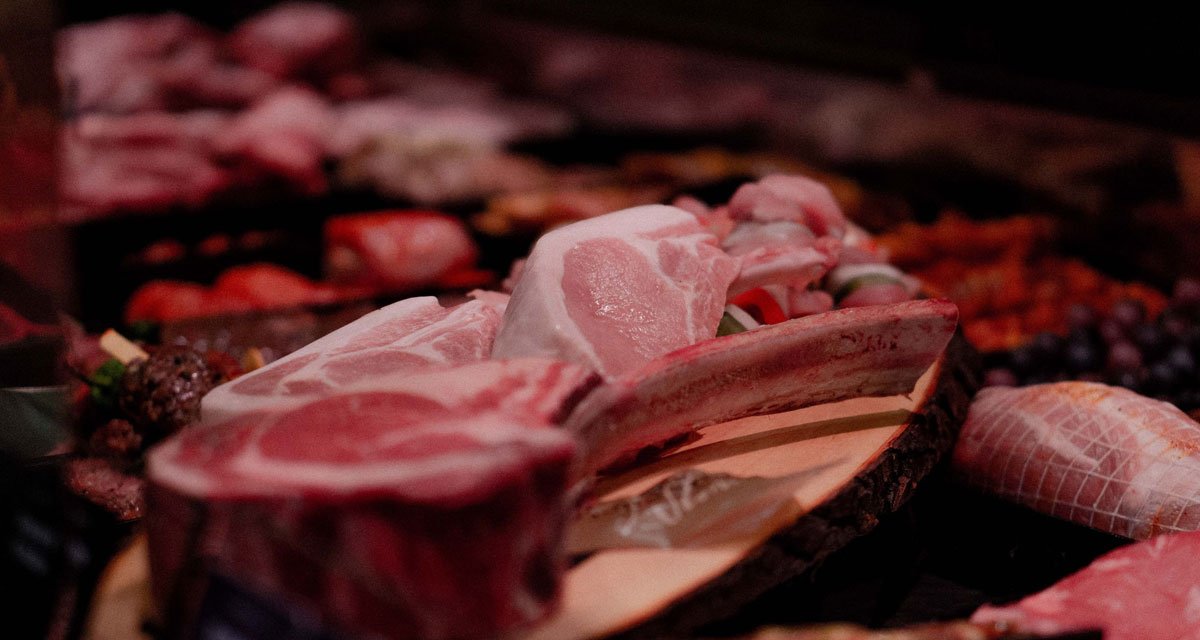
Few foods carry as much expectation as a good steak. People remember the ones that were tender and well marbled, and they remember the ones that were tough and gray in the middle. What most shoppers never see is how much of that outcome was decided long before the meat reached a package.
Feed, handling, timing, and processing all leave their mark, and by the time a cut lands on a cutting board, the story is essentially finished. Understanding that story makes it far easier to buy well and cook well.
Where Quality Actually Begins in the Beef Supply Chain
Cattle raised on nutrient-rich pasture develop differently from cattle finished under rushed conditions. Grazing land quality, water access, and the amount of room animals have to move all shape muscle development, fat distribution, and eventual eating quality. Producers who take a generational view of the land tend to manage grazing carefully, rotating herds so pasture recovers and stays productive year after year. That patience shows up later in flavor, even though nothing about it is visible at the counter.
Animal care matters for the same practical reason. Cattle handled calmly and consistently experience less stress, and stress affects muscle chemistry in ways that carry through to the finished product. Ranchers who spend decades around livestock learn to read animals well, and that instinct is difficult to replace with process alone. Better care is not sentimentality. It is one of the most reliable levers a producer has over the final result.
If you want beef raised this way and shipped directly to your home, Riverbend Ranch offers pasture-to-plate cuts through an online store built around that standard. Orders arrive fresh, and the same ranching operation that raises the cattle stands behind what shows up at the door.
Why Processing Standards Deserve More Attention Than They Get
Everything achieved on pasture can be undone in a poorly run facility. Processing determines how carcasses are chilled, how long meat ages, how precisely it is cut, and how quickly it moves into cold storage. A modern plant designed around safety and efficiency protects those gains. Humane handling at this stage is not separate from quality either, since calm animals and careful procedure produce more consistent meat.
Facilities operating under federal certification work within a framework of inspection, sanitation, and record keeping that exists specifically to protect the person eating at the end of the chain. That oversight is one of the few parts of the process a shopper can verify without ever visiting a plant. It is worth asking about, and producers proud of their operations are usually happy to talk about it.
Precision cutting is the last technical step, and it changes the cooking experience more than most people realize. Cuts trimmed unevenly cook unevenly. Steaks portioned to a consistent thickness behave predictably on heat, which is why professional kitchens are so particular about specifications.
What Vertical Integration Changes for the Person Buying
When one operation controls the pasture, the plant, and the shipping, the chain between animal and buyer gets very short. Every step answers to the same standard, and there is no point where responsibility gets handed off and diluted. That structure also makes transparency practical rather than promotional, because there is nothing in the middle that the operation cannot account for.
The alternative is the conventional path, where cattle change hands several times, and the final brand on the package may have had no involvement in how the animals were raised. That system works at scale, and plenty of good beef moves through it. It simply cannot offer the same line of sight. Buyers who care about origin are usually better served by shorter chains.
Shipping directly to homes has made that model far more accessible than it was a decade ago. Cold chain logistics improved, packaging improved, and buyers grew comfortable ordering perishable food without seeing it first.
Reading Labels and Asking Better Questions
Marketing language on meat packaging has grown crowded, and much of it means less than it appears to. Terms tied to verified standards carry weight. Terms invented for a label do not. The practical approach is to focus on what can actually be confirmed: how the cattle were raised, where the meat was processed, and who is accountable if something is wrong.
Marbling remains the most useful visual signal. Fine flecks of fat distributed through the muscle melt during cooking and carry flavor while keeping the meat moist. Thick seams of exterior fat are not the same thing. Color offers a second clue, though it is easily misread, since vacuum-sealed beef often looks darker until it meets air: firmness and a clean smell round out what anyone can assess without special knowledge.
Handling Good Beef Once It Reaches Your Kitchen
Careful sourcing deserves careful cooking, and the most common mistakes are avoidable. Beef pulled straight from cold storage onto high heat cooks unevenly, so letting steaks temper on the counter for a short while before cooking pays off. A dry surface is essential for browning, which means patting the meat dry rather than seasoning it wet. High heat, minimal movement, and patience do most of the work.
Resting is the step people skip most often. Cutting immediately after cooking releases juice onto the board instead of leaving it in the meat. A few minutes of rest changes the texture noticeably. Slicing against the grain matters just as much, particularly with leaner cuts, because shortening the muscle fibers is what makes a bite tender.
Storage habits protect the investment too. Freeze what will not be used within a few days, thaw in the refrigerator rather than on the counter, and avoid refreezing thawed meat. None of this is complicated, but it is the difference between honoring what went into the product and wasting it.
Good beef is the result of decisions made over years, not minutes. Buyers who understand that chain tend to choose better, cook better, and enjoy the meal more.