

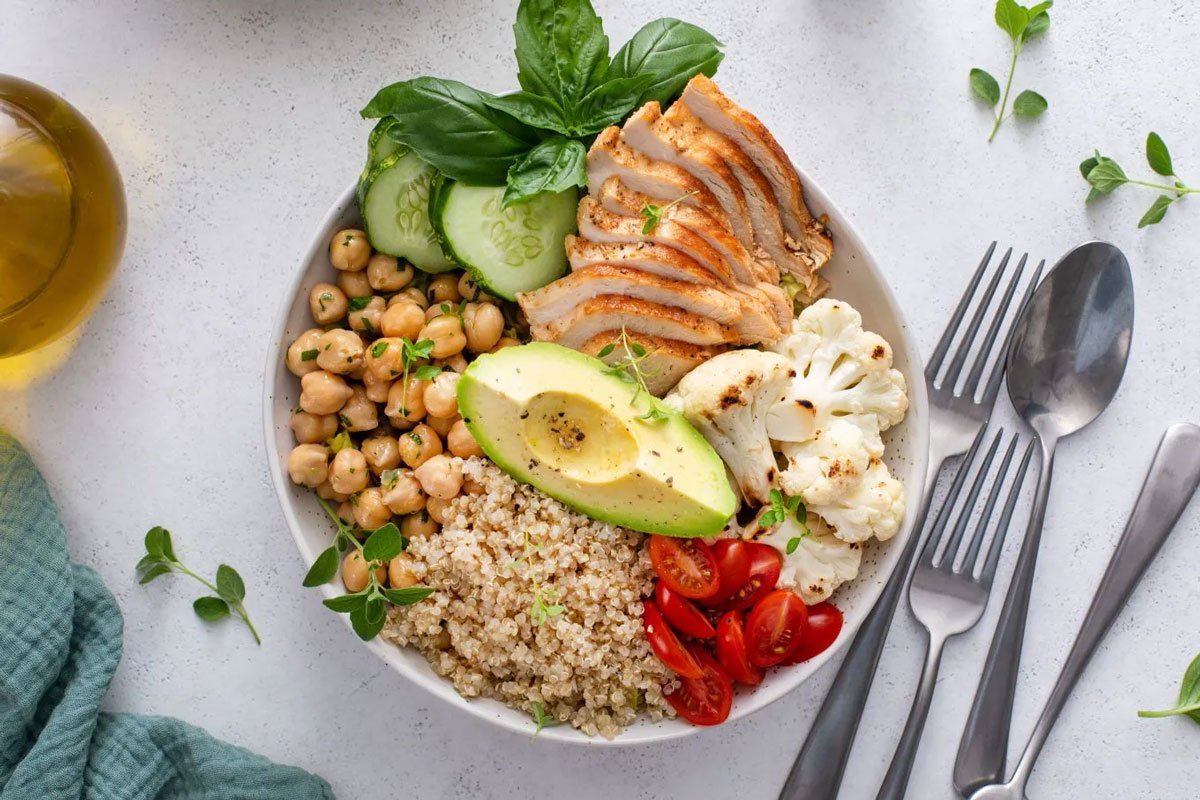
You can build muscle and lose fat at the same lunch table. The trick isn’t just eating less — it’s eating smarter, and that starts with protein. Most office grab-and-go meals hover around 15 to 20 grams of protein, which is barely enough to stabilize afternoon blood sugar, let alone support muscle repair after a morning workout. For anyone tracking macros, that math doesn’t work.
The 25 meals below range from 30 to 50 grams of protein per serving, covering everything from a 5-minute chickpea mash to a macro-friendly tofu stir-fry under 400 calories. These are not aspirational recipes. They are built for real constraints: a $3 budget, a microwave-only kitchen, or a fridge stocked with canned fish and frozen edamame. Whether you need plant-based options, kid-friendly packable lunches, or something you can eat one-handed during a back-to-back Zoom block, this list closes the gap between what you know you should eat and what you actually have time to make.
Quick & Easy High-Protein Lunches (Under 15 Minutes)
The fastest route to a high-protein lunch requires zero cooking and a pantry stocked with canned proteins, pre-cooked grains, and fresh produce. These five ideas clock in under 15 minutes from fridge to plate, and most require only a microwave or a fork.
No-Cook Protein Bowls
Drain one can of tuna (roughly 20g protein), toss it with ½ cup pre-cooked quinoa (4g protein), a handful of halved cherry tomatoes, and a generous dollop of plain Greek yogurt (6g protein per 2 tablespoons). That’s a 30g protein lunch in about five minutes. The yogurt replaces mayo without the extra fat, keeping this bowl under 350 calories. Swap tuna for canned salmon or shredded rotisserie chicken when you need variety. One thing most articles skip: pre-cooked quinoa pouches from the refrigerated section save the 15-minute cook time. They cost about $1 more per serving but cut prep to zero.
Microwave Mug Omelets
Crack two eggs into a microwave-safe mug, add ¼ cup cottage cheese, a handful of fresh spinach, and a pinch of salt. Whisk with a fork until combined. Microwave on high for 90 seconds. Top with salsa or hot sauce. That’s 22g protein, no stove, no pan, no cleanup beyond the mug. The cottage cheese adds protein without making the eggs rubbery — a trick that works because the moisture from the cheese steams the eggs from inside. For remote workers eating at their desk, this is the single fastest hot lunch that doesn’t require standing over a stove.
5-Minute Chickpea Salad
Mash one can of drained chickpeas with a fork until chunky. Fold in half a diced avocado, a squeeze of lemon juice, and salt to taste. Serve with 4-5 whole-grain crackers. That’s 18g protein and 12g fiber for roughly $1.50 per serving. This is the vegetarian option that meat-eaters actually steal from the fridge. The avocado replaces the need for oil or mayo, and the lemon juice keeps the mash from browning if you eat it within an hour. One catch: canned chickpeas can be bland. Rinse them thoroughly, then pat dry with a paper towel before mashing. The dry surface helps the avocado cling to the chickpeas rather than sliding off.
“My rotation of low calorie meals”
— Reddit user, r/1200isplenty, 2025
According to the International Food Information Council (2024), 54% of consumers say convenience is the primary factor in their lunch choices, outpacing both cost and taste. These three options deliver protein density without the friction of cooking — which is exactly why they work for busy professionals who would otherwise reach for a protein bar or skip lunch entirely.
High-Protein Lunches for Weight Loss (Under 500 Calories)
Calorie restriction alone is a losing strategy. Without enough protein, you lose muscle mass, your metabolism slows, and the afternoon cravings hit like a truck. The fix is straightforward: keep lunch under 500 calories while packing at least 30 grams of protein. This combination triggers satiety hormones and stabilizes blood glucose, which means you’re not raiding the vending machine by 3 p.m.
Macro-Friendly Meal Prep Table
These three meals hit the protein target without blowing your calorie budget. Each one takes under 15 minutes to assemble and holds up well in the fridge for 4 days.
| Meal | Calories | Protein | Prep Time |
|---|---|---|---|
| Grilled Chicken & Veggie Bowl | 450 | 40g | 12 min |
| Tofu Stir-Fry (with edamame and bell peppers) | 380 | 35g | 10 min |
| Turkey Lettuce Wraps (with avocado and tomato) | 320 | 30g | 8 min |
The turkey lettuce wraps are the lowest-calorie option here, but the tofu stir-fry is the one that surprises most people. It delivers 35 grams of protein for 380 calories, and it’s entirely plant-based. That matters if you’re trying to cut back on meat without sacrificing your macros.
Why Protein Supports Weight Loss
High-protein meals increase thermogenesis by roughly 20-30% compared to carbohydrate or fat-heavy meals, according to a 2024 review in the Journal of Nutrition and Metabolism. Your body burns more calories just digesting the protein. But the real benefit is behavioral: protein suppresses ghrelin, the hunger hormone, for 3-4 hours after eating. That’s the difference between a clean afternoon and a 4 p.m. sugar crash.
What many people don’t realize is that blood sugar stability is the hidden lever. A lunch with 30+ grams of protein and under 40 grams of net carbs prevents the insulin spike that triggers fat storage and subsequent hunger. The grilled chicken bowl above, for example, keeps net carbs around 28 grams. Your energy stays level, your cravings stay quiet, and you don’t spend the afternoon fighting your own biology.

Plant-Based & Vegan High-Protein Lunch Ideas
For plant-based eaters, hitting 30+ grams of protein at lunch without relying on processed meat substitutes is entirely doable with whole foods. The key is combining complementary protein sources—legumes with grains, seeds with vegetables,to create complete amino acid profiles. These three meals each deliver between 25-35 grams of protein using ingredients you can find at any grocery store.
Lentil & Sweet Potato Bowl
Cooked lentils (18g protein per cup) paired with roasted sweet potato and a tahini-lemon dressing creates a satisfying bowl with roughly 25g of plant-based protein. The tahini adds 5g of protein per two tablespoons plus healthy fats that improve absorption of the sweet potato’s vitamin A. One Reddit user in r/mealprep noted their rotation for the week includes this exact combination: “Meal prep for the week” , a testament to how well these ingredients hold up over five days in the fridge. Batch-cook the lentils and sweet potatoes on Sunday, then assemble each morning with fresh greens.
Tofu Scramble Wrap
Scramble one block of firm tofu (20g protein) with turmeric, black salt (kala namak), and sautéed vegetables, then wrap in a whole-wheat tortilla. Black salt provides the sulfurous “eggy” flavor that makes this taste closer to a traditional breakfast wrap. For extra protein, add a quarter cup of nutritional yeast (another 8g) directly into the scramble. According to the Physicians Committee for Responsible Medicine (2024), tofu is a complete protein containing all nine essential amino acids, making it a reliable foundation for any plant-based lunch.
Edamame & Quinoa Salad
Shelled edamame (17g protein per cup) and cooked quinoa (8g protein per cup) form the base of this macro-friendly salad. Toss with cucumber, shredded carrots, and a sesame-ginger vinaigrette for a lunch that delivers 25g of protein with roughly 400 calories. The fiber content (12g per serving) helps with satiety,something many meat-based lunches lack. A common mistake is overcooking edamame; steam frozen edamame for exactly 3-4 minutes to keep them firm and bright green.
| Meal | Protein | Calories | Prep Time |
|---|---|---|---|
| Lentil & Sweet Potato Bowl | 25g | ~450 | 30 min (batch) |
| Tofu Scramble Wrap | 28g | ~380 | 10 min |
| Edamame & Quinoa Salad | 25g | ~400 | 15 min |
What many people don’t realize is that plant-based proteins often require more chewing,which actually improves digestion and signals fullness to your brain faster. If you’re transitioning from a meat-heavy diet, expect to feel fuller on fewer calories with these meals, at least for the first week.
Budget-Friendly High-Protein Lunches (Under $3 per Serving)
Most high-protein lunch ideas online assume you have a $200 grocery budget and a sous vide machine. The reality for many is different. You can hit 30-40 grams of protein for well under $3 per serving by leaning on three overlooked categories: canned fish, eggs, and legumes. These aren’t just cheap , they’re shelf-stable, quick to prepare, and nutritionally dense in ways that processed protein bars aren’t.
Canned Fish Staples
A single tin of sardines in water costs roughly $1.50 and delivers 23 grams of protein. Mash them onto whole-grain toast with a squeeze of lemon and cracked black pepper , total cost: under $2 per serving. Tuna salad made with Greek yogurt instead of mayo cuts calories while adding protein. Mix one 5-oz can of chunk light tuna ($1.20) with 2 tablespoons of plain Greek yogurt ($0.30), diced celery, and a pinch of salt. Serve on crackers or lettuce wraps. What many shoppers don’t realize: canned mackerel and kippers are even cheaper per gram of protein than tuna, often running $1.00 per can at discount grocers.
Egg-Based Meals
Eggs remain one of the few protein sources that haven’t doubled in price since 2020. A dozen large eggs averages $2.50 nationally, putting each egg at roughly $0.21. Hard-boiled egg salad , 4 eggs, a tablespoon of mustard, and chopped pickles , costs about $1.10 and packs 24 grams of protein. Frittata muffins are even more efficient: whisk 6 eggs with a bag of frozen mixed vegetables ($1.50 total), pour into a greased muffin tin, and bake at 350°F for 18 minutes. That yields 6 servings at roughly $0.60 each. Egg fried rice with day-old rice and frozen peas hits under $1.00 per serving while clearing out your fridge.
Legume Power Bowls
Dried lentils cost roughly $1.50 per pound and cook in 20 minutes , no soaking required. One cup of cooked lentils delivers 18 grams of protein and 15 grams of fiber. A simple lentil soup with carrots, onions, and vegetable broth runs about $0.75 per serving. Black bean tacos , canned beans ($1.00), corn tortillas ($0.30), salsa ($0.20), and a squeeze of lime , total $1.50 for three tacos with 20 grams of protein. Chickpea curry made with canned tomatoes and coconut milk (use light coconut milk to keep calories in check) comes in at roughly $1.30 per serving.
“Meal prep for the week”
, Reddit user, r/mealprep, March 2025
The trade-off most articles ignore: canned and dried foods require more sodium awareness. Rinse canned beans and fish thoroughly , that single step cuts sodium by roughly 40% without losing protein. According to the American Heart Association (2024), adults should limit sodium to 2,300 mg daily, and a single can of soup can hit half that. Rinsing is free, takes 30 seconds, and makes these budget-friendly high-protein lunches actually heart-healthy.
Remote Worker’s 5-Minute Lunch Solutions
Working from home sounds efficient until noon hits and you’re staring at a fridge full of ingredients that require actual cooking. The trap is ordering delivery or skipping lunch entirely. Neither helps muscle repair or weight management. The fix is a pantry strategy built for zero prep time.
Remote workers face a specific problem: the kitchen is right there, but the meeting schedule isn’t forgiving. You need meals that come together faster than your microwave can reheat leftovers. The rule is simple: no chopping, no stovetop, no more than two steps.
Pantry-Powered Lunches
Three shelf-stable combinations that deliver 25–35g of protein with zero cooking:
| Meal | Ingredients | Protein | Prep Time |
|---|---|---|---|
| Cottage Cheese & Canned Peaches | 1 cup cottage cheese + ½ cup canned peaches (in juice, not syrup) | 28g | 2 minutes |
| Pre-Cooked Chicken & Bagged Salad | 3 oz pre-cooked chicken strips + 2 cups bagged Caesar salad mix | 32g | 3 minutes |
| Microwave Edamame Bowl | 1 bag frozen shelled edamame (microwave 2 min) + soy sauce + sesame seeds | 18g | 3 minutes |
Cottage cheese with peaches sounds odd. It works. The acidity cuts the richness, and you get casein protein which digests slowly and keeps you full through a 3 PM call. Pre-cooked chicken strips from the refrigerated section (check the sell-by date) cost about $0.50 more per serving than cooking your own. The time savings justify the premium.
Desk-Friendly Snack Plates
Grazing lunches work well for remote workers because you eat between tasks without committing to a full plate that gets cold. Build a snack plate with four components: protein, fat, fiber, and crunch.
A standard desk plate: 2 hard-boiled eggs (12g protein), 1 oz cheddar cheese cubes (7g), ¼ cup almonds (6g), and one sliced apple (0.5g). Total: 25.5g protein, roughly 400 calories, and zero prep beyond peeling eggs you boiled last Sunday.
“My rotation of low calorie meals”
, Reddit user, r/1200isplenty, 2025
What many remote workers don’t realize: the grazing format actually improves protein timing. Spreading 25g of protein across two hours stimulates muscle protein synthesis more effectively than a single bolus, according to research from the *Journal of the International Society of Sports Nutrition* (2023). Small bites, steady gains.
Frequently Asked Questions
What is a good high-protein lunch for weight loss?
A grilled chicken breast (170g) over a 2-cup bed of mixed greens with ½ cup black beans, cherry tomatoes, and a tablespoon of olive oil vinaigrette hits roughly 450 calories with 45g of protein. The fiber from the beans and volume from the greens create satiety that lasts 4-5 hours, which is the primary mechanism for weight loss: you stop grazing on office snacks at 3 PM. For a vegetarian version, swap the chicken for 200g of firm tofu pressed and pan-seared , you lose about 5g of protein but gain 8g of fiber.
What can I eat for lunch that is high in protein but low in carbs?
Canned tuna (one 170g can drained) mixed with 2 tablespoons of full-fat Greek yogurt, served over cucumber slices instead of bread, provides 40g of protein and under 5g of net carbs. The yogurt replaces mayonnaise without the sugar spike. For variety: turkey roll-ups (3 slices of deli turkey wrapped around cream cheese and a pickle spear) run 25g protein and 3g carbs. One thing most people miss , check your Greek yogurt label. Many “low-fat” versions add sugar to compensate for texture. Full-fat has fewer additives.
How much protein should a woman eat for lunch?
The general recommendation is 20-40g per meal, depending on body weight and activity level. For a 150lb woman who exercises 4-5 times per week, 35g at lunch supports muscle protein synthesis optimally. Sedentary women need closer to 20-25g. A practical benchmark: if you’re full for less than 3 hours after lunch, your protein was likely too low. The body processes protein slowly , that delayed gastric emptying is what kills cravings.
What are some high-protein vegetarian lunch ideas?
Lentil soup (1.5 cups) with a dollop of Greek yogurt hits 25g protein for roughly $1.20 per serving. A tofu scramble (half a block of firm tofu, turmeric, nutritional yeast, spinach) wrapped in a whole-wheat tortilla adds another 5g from the grain. For a cold option: cottage cheese (1 cup) with hemp seeds (2 tablespoons) and cucumber , 32g protein, zero cooking. The plant-based options work, but you need to combine grains and legumes to get complete amino acid profiles. That’s not a myth; it’s basic biochemistry.
Can you meal prep high-protein lunches for the whole week?
Yes, with one rule: cook proteins and grains separately from vegetables. Cooked chicken breast stays good for 4 days in the fridge. Roasted vegetables get soggy by day 3. Store them in separate containers and combine the morning of. A batch of 10 hard-boiled eggs (72 calories, 6g protein each) keeps for a full week in the shell. Cooked quinoa (1 cup dry yields 3 cups cooked) stores for 5 days. The real trick , portion your proteins into individual bags before cooking so you’re not guessing macros mid-week.
Conclusion
Pick one. That’s the only rule.
You don’t need to overhaul your entire diet this week. You just need one high-protein lunch idea that actually fits your life. A remote worker’s pantry bowl if you’re eating at your desk. A budget-friendly lentil soup if you’re watching grocery costs. A 380-calorie tofu stir-fry if weight loss is the goal. The category you choose matters less than the act of choosing.
Why High-Protein Lunches Work
High-protein lunches support lean muscle repair, keep you full through the afternoon slump, and stabilize blood sugar in a way carb-heavy meals simply don’t. According to the American Journal of Clinical Nutrition (2024), meals containing 30–40 grams of protein significantly reduce ghrelin (the hunger hormone) for up to four hours post-meal. That translates to fewer vending machine runs and better food choices at dinner.
Your Next Step
Scan the five categories above. Pick the one that matches your biggest constraint: time, budget, dietary preference, or calorie target. Try it tomorrow. If it works, add a second idea next week. If it doesn’t, swap it. The best high-protein ideas for lunch are the ones you actually eat consistently.