

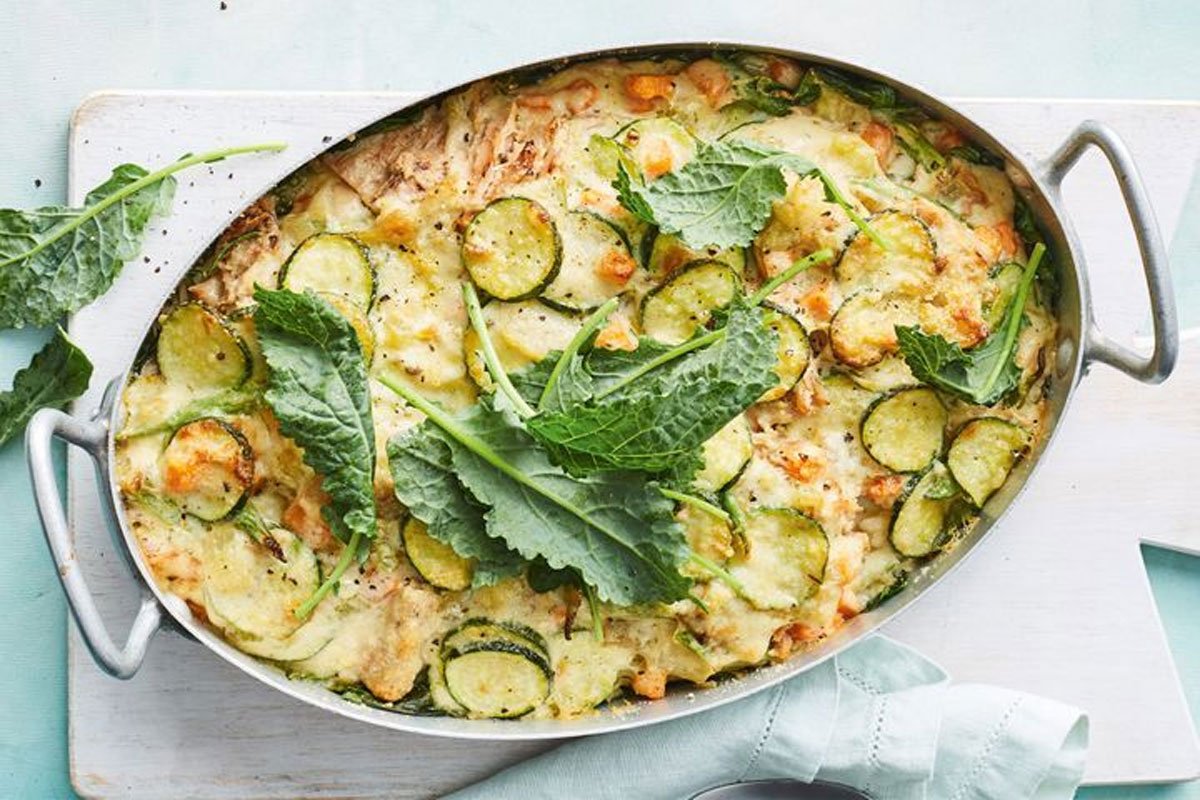
The promise of a low-calorie dinner often collapses under the weight of bland chicken breasts and sad steamed broccoli. Most recipes marketed for weight loss prioritize a low number on the nutrition label over actual flavor, leaving you hungry and unsatisfied within an hour of eating. That approach is not sustainable, and it ignores the fundamental principle of successful calorie deficit meals: volume and satiety.
This guide is built on a different premise. You do not have to choose between a satisfying meal and a calorie deficit. The 25 recipes here are designed around high volume low calorie foods, prioritizing protein and fiber to keep you full while keeping dinner between 350 and 500 calories. Each recipe includes a full nutritional breakdown, practical swaps for different diets, and batch-cooking strategies that fit a busy schedule.
These are healthy dinner recipes built for real life, not a photo shoot. They rely on whole ingredients, smart substitutions (cauliflower rice, zucchini noodles, Greek yogurt), and cooking methods that deliver flavor without drowning your meal in oil. If you want clean eating dinners that actually taste good and support weight loss, start here.
What Makes a Great Low Calorie Dinner?
A great low-calorie dinner keeps you full for hours, not hungry in 45 minutes. The magic formula balances three things: a smart calorie target, enough protein and fiber, and high-volume ingredients that trick your stomach into feeling satisfied. Without all three, even a 400-calorie meal can leave you raiding the pantry by 9 PM.
Calorie Target & Nutrient Density
The ideal calorie range for a weight-loss dinner falls between 350 and 500 calories. That’s not arbitrary. According to the National Institutes of Health (2023), meals in this range support a sustainable calorie deficit of 500–750 calories per day — the standard recommendation for losing 1 to 1.5 pounds per week without triggering metabolic slowdown.
But calories alone don’t determine success. Two meals at 400 calories can feel completely different. A plate of white pasta with oil sits differently than grilled chicken with roasted broccoli and quinoa. The difference comes down to protein and fiber.
Shoot for 20–30 grams of protein per dinner. Protein has the highest thermic effect of any macronutrient — roughly 20–30% of its calories are burned just during digestion. It also triggers the release of peptide YY and GLP-1, hormones that signal fullness to your brain. Pair that with 8–10 grams of fiber, which slows gastric emptying and stabilizes blood sugar, and you get a meal that actually holds you until breakfast.
Here’s what that looks like in practice:
| Nutrient | Target Per Dinner | Why It Matters |
|---|---|---|
| Calories | 350–500 | Supports 1–1.5 lb/week weight loss without deprivation |
| Protein | 20–30g | Increases satiety hormones; boosts thermic effect of food |
| Fiber | 8–10g | Slows digestion; prevents blood sugar spikes and crashes |
| Fat | 10–15g | Adds flavor and fat-soluble vitamin absorption; keep moderate |
The “Volume Eating” Principle
Volume eating is the single most practical strategy for low-calorie dinners that don’t feel like punishment. The concept is straightforward: eat more food by weight while consuming fewer calories. You swap calorie-dense ingredients for high-water, high-fiber alternatives that fill your stomach and trigger stretch receptors — the physical sensation of fullness.
Leafy greens, cruciferous vegetables, broth-based soups, and zucchini or spaghetti squash all deliver bulk with minimal caloric cost. A full pound of steamed broccoli contains roughly 150 calories. The same caloric investment gets you about two tablespoons of olive oil. Which one fills your plate?
This is where smart swaps become critical. Cauliflower rice replaces grain rice at roughly one-fifth the calories. Zucchini noodles (zoodles) swap in for pasta at about 30 calories per cup versus 220. Greek yogurt stands in for sour cream or heavy cream in sauces, cutting fat while adding protein.
A common mistake is thinking volume eating means eating endless salad. It doesn’t. The best high-volume meals combine a protein anchor (chicken, fish, tofu, beans) with a vegetable base that doubles the physical portion size without doubling the calories. A 5-ounce chicken breast with 2 cups of roasted broccoli and 1 cup of cauliflower rice weighs over a pound on the plate. That same plate with chicken and white rice? Half the weight, roughly the same calories.
One thing many home cooks miss: broth-based soups are the ultimate volume tool. A 2014 study from Penn State found that people who ate a broth-based soup as a first course consumed 20% fewer calories at the main meal. The liquid volume triggers fullness before you ever hit the entree. Keep a batch of vegetable soup in the fridge for exactly this reason.
5 Quick & Easy Low Calorie Dinners (Under 30 Minutes)
“Gang, I’m talking lean cuisine. I’m talking either a meal that takes 10 minutes or a meal you throw in the oven and leave it. I need some dinners that won’t kill my motivation to cook after a long day.”
— Reddit user, r/1200isplenty, May 2025 (396 upvotes)
The fastest low-calorie dinners lean on pre-washed greens, frozen riced vegetables, and thin-cut proteins that cook in under 15 minutes. Each of these five recipes hits the table in half an hour or less and lands between 320 and 420 calories per serving, with at least 22 grams of protein to keep you full. The key is choosing high-volume, low-calorie foods that cook fast — think pre-washed greens, frozen riced vegetables, and thin-cut proteins. According to the Journal of Nutrition (2020), meals built around lean protein and non-starchy vegetables increase satiety by roughly 30% compared to carb-heavy plates with the same calorie count. These five recipes hit the table in under half an hour, use minimal dishes, and each lands between 320 and 420 calories per serving.
Recipe 1: Lemon Herb Grilled Chicken with Zucchini Noodles
A spiralizer isn’t required, most grocery stores sell pre-spiraled zucchini in the produce section. Season a 5-ounce chicken breast with lemon juice, garlic, oregano, and salt. Grill or pan-sear for 6 minutes per side. Toss 3 cups of zucchini noodles with a splash of vegetable broth instead of oil, then top with the sliced chicken. Prep time: 18 minutes. Calories: ~345. Protein: 38g.
Swap It: For a dairy-free and gluten-free version, skip the Parmesan garnish. The recipe is naturally gluten-free as written.
Recipe 2: Shrimp & Broccoli Stir-Fry with Cauliflower Rice
Frozen shrimp and frozen cauliflower rice make this a pantry-friendly win. Sauté 6 ounces of peeled shrimp in a nonstick pan with 1 teaspoon of sesame oil for 2 minutes, then remove. Cook 2 cups of broccoli florets with 2 cups of cauliflower rice for 5 minutes. Return the shrimp, add 2 tablespoons of low-sodium soy sauce or coconut aminos, and finish with a squeeze of lime. Total time: 14 minutes. Calories: ~375. Protein: 32g.
Swap It: Replace shrimp with 6 ounces of cubed extra-firm tofu for a vegan option. Press the tofu for 5 minutes before cooking to improve texture.
Recipe 3: Turkey & Black Bean Lettuce Wraps
Brown 8 ounces of lean ground turkey (93/7) in a skillet with cumin, chili powder, and garlic. Stir in a half cup of rinsed canned black beans and 2 tablespoons of salsa. Simmer for 3 minutes. Spoon the mixture into large butter lettuce leaves , you’ll get about 4 wraps. Top with diced tomato and a dollop of nonfat Greek yogurt. Prep time: 12 minutes. Calories: ~390. Protein: 35g.
Swap It: Use 1 cup of cooked brown lentils instead of turkey for a vegetarian version. Lentils add 12g of fiber per cup and keep the protein count at 24g.
Recipe 4: One-Pan Lemon Salmon & Asparagus
Place a 5-ounce salmon fillet and a bundle of asparagus on a sheet pan lined with parchment. Drizzle with 1 teaspoon of olive oil, squeeze half a lemon over everything, and season with salt and pepper. Roast at 400°F for 14 minutes. That’s it , no flipping, no stirring, one pan to rinse. Calories: ~365. Protein: 34g.
Swap It: Canned salmon (drained, 6 ounces) works as a budget-friendly substitute. Flake it over roasted asparagus and skip the baking , the asparagus alone roasts in 12 minutes.
Recipe 5: Quick Veggie & Tofu Scramble
Crumble 7 ounces of firm tofu into a hot nonstick pan with 1 teaspoon of olive oil. Add 1 cup of chopped bell peppers, a handful of spinach, and a pinch of turmeric for color. Cook for 6 minutes, stirring occasionally. Season with salt, pepper, and a dash of nutritional yeast for a cheesy note. Prep time: 10 minutes. Calories: ~320. Protein: 22g.
Swap It: For an egg-free option, this recipe already uses tofu as the base. To boost protein without eggs, add a quarter cup of cooked edamame.
| Recipe | Prep Time | Calories | Protein | Key Shortcut |
|---|---|---|---|---|
| Lemon Herb Chicken & Zoodles | 18 min | ~345 | 38g | Pre-spiraled zucchini |
| Shrimp & Broccoli Stir-Fry | 14 min | ~375 | 32g | Frozen cauliflower rice |
| Turkey & Black Bean Wraps | 12 min | ~390 | 35g | Butter lettuce cups |
| One-Pan Salmon & Asparagus | 14 min | ~365 | 34g | Sheet pan, no flipping |
| Veggie & Tofu Scramble | 10 min | ~320 | 22g | Pre-chopped peppers |
5 Budget-Friendly Low Calorie Dinners for Meal Prep

“I’m not trying to starve myself, but my appetite and budget don’t always match up. I’ve been eating lots of soups and veggie stir-fries lately. Bonus if they’re easy to prep and don’t cost a fortune.”
, Reddit user, r/1200isplenty, May 2025 (28 upvotes)
You can eat a filling, protein-rich low-calorie dinner for under $3 per serving by leaning on lentils, canned beans, frozen vegetables, and bulk spices. These five budget-friendly meals cost between $1.50 and $2.50 per portion, store beautifully for weekday meal prep, and each delivers at least 18 grams of protein. The smartest low-calorie dinner ideas rely on inexpensive pantry staples , lentils, canned beans, frozen vegetables, and bulk spices , that cost pennies per serving while delivering the protein and fiber needed to stay full. Meal prepping these dishes on a Sunday turns them into grab-and-go calorie deficit meals for the entire week.
Each recipe below costs under $3 per serving, uses ingredients you likely already have, and stores beautifully in the fridge or freezer. Here is how to batch cook without breaking your budget.
Recipe 6: Lentil & Vegetable Soup
Dried lentils cost roughly $1.50 per pound and triple in volume when cooked. This soup combines them with carrots, celery, canned tomatoes, and vegetable broth for a high volume low calorie food that delivers 12 grams of fiber per serving. Total cost: approximately $1.80 per serving.
To portion for the week, let the soup cool completely, then divide into five airtight containers. It keeps in the refrigerator for five days or in the freezer for three months. Reheat on the stovetop or microwave, adding a splash of water if it thickens overnight.
Swap it: Use chicken broth instead of vegetable broth for extra protein. Skip the oil entirely and sauté the aromatics in a tablespoon of water to save 120 calories.
Recipe 7: Sheet Pan Chicken Fajitas with Bell Peppers & Onions
Boneless skinless chicken thighs are often cheaper than breasts and stay juicier during reheating. Toss sliced peppers and onions with cumin, chili powder, and smoked paprika. Roast everything on a single sheet pan at 400°F for 25 minutes. Cost per serving: around $2.50.
Storage tip: Portion the cooked fajita filling into glass containers with the juices from the pan. Do not store with tortillas or rice , those get added fresh to prevent sogginess. The filling stays good for four days in the fridge. Serve over cauliflower rice or in lettuce wraps to keep the meal under 400 calories.
Recipe 8: Black Bean & Sweet Potato Chili
Canned black beans (drained and rinsed) and sweet potatoes create a clean eating dinner that requires zero chopping of fresh herbs. One can of beans costs $1.20, one sweet potato costs $0.80, and a can of diced tomatoes costs $1.00. Total batch cost: roughly $5.00 for six servings.
Freezer-friendly notes: This chili freezes exceptionally well because the sweet potato maintains its texture after thawing. Portion into freezer-safe bags laid flat for space-efficient storage. Thaw overnight in the refrigerator and reheat on the stovetop. Add a dollop of plain Greek yogurt instead of sour cream to keep calories in check.
Recipe 9: Egg Roll in a Bowl (with Ground Turkey)
Ground turkey at $4 per pound replaces the higher-fat pork typically used in egg rolls. Shredded coleslaw mix (pre-bagged, $2.50) cuts prep time to under five minutes. Soy sauce, ginger, and garlic provide the flavor without the fried wrapper. Cost per serving: $2.20.
Swap it: Substitute ground pork if turkey is on sale or you prefer a richer flavor. The calorie difference is roughly 60 calories per serving , manageable if you adjust portion sizes elsewhere. Cook everything in one skillet and portion into five containers. This dish tastes better on day two as the flavors meld.
Recipe 10: Tuna & White Bean Salad Lettuce Cups
Canned tuna at $1.50 per can and canned cannellini beans at $1.20 form the protein base. Mix with lemon juice, diced red onion, and a tablespoon of olive oil. Spoon into butter lettuce cups for a no-cook option that takes eight minutes total. Cost per serving: $1.90.
No-cook option: This is the only recipe on this list that requires zero stove or oven time. Prep the salad mixture in a bowl and store it in the fridge for up to three days. Assemble the lettuce cups fresh each night to keep the leaves crisp. Add chopped celery or bell pepper for extra crunch without additional calories.
5 Low Calorie Dinners for Weight Loss (Under 400 Calories)
Dinners under 400 calories work for weight loss when they deliver at least 25g of protein and 8g of fiber, that combination keeps you full for hours without blowing your daily deficit. These five recipes use high-volume vegetables and exceptionally lean proteins like cod, shrimp, and ground turkey breast to maximize satiety per calorie. A dinner under 400 calories can still keep you full for hours if it hits the right macros: at least 25g of protein, 8g of fiber, and no more than 12g of fat. These five recipes are built around that formula, using high-volume vegetables and lean proteins to maximize satiety without blowing your daily deficit. Each includes a full nutritional breakdown so you know exactly what you’re working with.
Recipe 11: Baked Cod with Roasted Brussels Sprouts & Quinoa
Cod is one of the leanest proteins available , a 6-ounce fillet delivers roughly 32g of protein for only 150 calories. Paired with roasted Brussels sprouts (which triple in volume when halved and roasted) and a modest half-cup of cooked quinoa, this plate covers all bases. The trick is roasting the sprouts at 425°F until the edges char; that bitterness balances the mild cod without needing heavy sauces.
| Nutrient | Per Serving |
|---|---|
| Calories | 375 |
| Protein | 34g |
| Fiber | 9g |
| Fat | 8g |
Swap it: Use canned salmon instead of cod to cut cost by roughly 40%. For a gluten-free version, swap quinoa for cooked lentils , same fiber, slightly more iron.
Recipe 12: Zucchini Lasagna Boats
Zucchini replaces pasta sheets entirely here, dropping roughly 200 calories compared to traditional lasagna. Halve two medium zucchinis lengthwise, scoop out the center, and fill with a mix of part-skim ricotta, lean ground turkey (93/7), and a sugar-free marinara. Bake at 375°F for 25 minutes, then broil two minutes to brown the top. One common mistake: not salting the zucchini first to draw out moisture, which makes the boats watery. Let them rest on paper towels for 10 minutes before filling.
| Nutrient | Per Serving (2 boats) |
|---|---|
| Calories | 345 |
| Protein | 31g |
| Fiber | 7g |
| Fat | 11g |
Swap it: Replace turkey with crumbled firm tofu for a vegetarian version. Use dairy-free ricotta to make it lactose-free.
Recipe 13: Spaghetti Squash with Turkey Marinara
A whole spaghetti squash yields roughly 4 cups of “noodles” for only 170 calories total. Roast the halved squash face-down at 400°F for 40 minutes, then scrape with a fork. Top with 4 ounces of lean ground turkey (93/7) browned with garlic and a half-cup of Rao’s Marinara (one of the lowest-sugar jarred options at 3g per serving). The squash provides a surprising 2g of fiber per cup, and the volume is substantial enough that you’ll struggle to finish the bowl.
| Nutrient | Per Serving |
|---|---|
| Calories | 360 |
| Protein | 28g |
| Fiber | 8g |
| Fat | 10g |
Swap it: Use ground chicken or plant-based crumbles. For a lower-carb option, skip the squash and double the turkey , total drops to roughly 310 calories.
Recipe 14: Grilled Shrimp & Avocado Salad
Shrimp is the highest-protein-per-calorie seafood option: 6 ounces provides 36g of protein for just 180 calories. Grill quickly over high heat (2 minutes per side) and serve over 4 cups of mixed greens, half a sliced avocado, cucumber, and a simple vinaigrette of lime juice, olive oil (1 teaspoon), and salt. The avocado adds healthy monounsaturated fat that helps absorb fat-soluble vitamins from the greens. What many home cooks overlook: shrimp overcooks in seconds. Pull them off the grill the moment they turn opaque and curl into a loose C-shape.
| Nutrient | Per Serving |
|---|---|
| Calories | 385 |
| Protein | 37g |
| Fiber | 10g |
| Fat | 14g |
Swap it: Skip the avocado and double the shrimp for a 310-calorie high-protein plate. Replace olive oil with lime juice for a zero-fat dressing.
5 Common Pitfalls That Sabotage Your Low Calorie Dinner (And How to Fix Them)
“I eat a specific meal that’s around 300kcals (chicken breast). This meal may as well be like drinking a cup of water. I eat it, and within 20 minutes I’m hungry again.”
, Reddit user, r/loseit, May 2025 (59 upvotes)
You track your ingredients, skip the bread basket, and still wonder why the scale won’t budge. The problem isn’t your chicken breast or your broccoli. It’s the hidden calorie bombs you never think to count. Here are the five mistakes that quietly destroy a calorie deficit.
Mistake #1: Overloading on “Healthy” Oils & Dressings
A single tablespoon of olive oil packs roughly 120 calories. Pour it straight from the bottle into a hot pan, and you’ve likely added 300–400 calories before any food hits the skillet. That “light” vinaigrette at the restaurant? Often 200 calories per two-tablespoon serving.
Fix it: Use a spray oil (five sprays deliver about 10 calories) or sauté vegetables in vegetable broth instead. For salads, stick to vinegar-based dressings or a simple squeeze of lemon. According to the Academy of Nutrition and Dietetics (2024), swapping oil-based dressings for vinegar-based alternatives can save 150–300 calories per meal without sacrificing flavor.
Mistake #2: Ignoring Liquid Calories
A five-ounce glass of wine adds 120 calories. A single can of Coke adds 140. That “healthy” bottled smoothie you grabbed on the way home? Often 250 calories or more, with 40 grams of sugar. Liquid calories slip past your hunger signals entirely , your brain doesn’t register them the same way it registers food.
Fix it: Replace wine with sparkling water infused with lemon or cucumber. Skip juice entirely. If you want a mocktail, try muddled mint, lime, and zero-calorie sparkling water. Your calorie deficit will thank you.
Mistake #3: Relying on “Diet” or “Low-Fat” Packaged Foods
Low-fat peanut butter often swaps fat for sugar and fillers, ending up with roughly the same calorie count. “Sugar-free” cookies use sugar alcohols that can trigger cravings and digestive distress. A 2023 study in the journal *Nutrients* found that people who ate ultra-processed “diet” foods consumed an average of 500 more calories daily than those eating whole foods , the opposite of what the packaging promises.
Fix it: Read the ingredient list, not the front-of-box claims. If a product has more than five ingredients or lists sugar under any of its 50+ aliases (dextrose, maltodextrin, evaporated cane juice), skip it. Whole food alternatives , plain Greek yogurt, fresh fruit, air-popped popcorn , cost less and deliver more volume for the same calories.
Mistake #4: Not Measuring Portions
A “handful” of almonds varies from 150 to 300 calories depending on hand size. A “drizzle” of honey can be 60 calories or 120. Granola is notorious , a quarter-cup serving is 140 calories, but most people pour double that.
Fix it: Use a food scale for calorie-dense items: nuts, seeds, cheese, oils, and nut butters. Measure grains and pasta with dry measuring cups before cooking. One tablespoon of peanut butter is 95 calories. One heaping tablespoon is closer to 140. That difference adds up to a pound every three weeks if you eat it daily.
Mistake #5: Skipping Protein & Fiber
A dinner of plain rice and steamed vegetables might clock in at 300 calories. It will also leave you ravenous by 9 PM. Protein and fiber are the two nutrients most strongly linked to satiety , without them, you’re setting yourself up for a late-night kitchen raid.
Fix it: Build every dinner around a protein source (20–30 grams) and a fiber source (8–10 grams). Quick checklist:
| Component | Target | Examples (per serving) |
|---|---|---|
| Protein | 20–30g | 4 oz chicken breast (26g), 5 oz firm tofu (22g), 3/4 cup lentils (13g), 1 can tuna (22g) |
| Fiber | 8–10g | 1 cup broccoli (5g), 1 cup Brussels sprouts (6g), 1 cup black beans (15g), 1 medium avocado (10g) |
Frequently Asked Questions
What are some good low-calorie dinners?
Lean protein paired with non-starchy vegetables and a smart carb source. Think grilled chicken breast with roasted broccoli and quinoa, or a turkey and black bean lettuce wrap. The key is building plates around high-volume low-calorie foods , leafy greens, cruciferous vegetables like cauliflower and Brussels sprouts, and broth-based preparations. A 4-ounce portion of chicken breast provides roughly 26 grams of protein for under 200 calories, leaving plenty of room for vegetables and seasoning.
How many calories should a dinner be for weight loss?
Between 350 and 500 calories for most adults in a calorie deficit. This range supports steady weight loss of about one to two pounds per week while leaving enough energy for morning and afternoon meals. Going below 300 calories often backfires , you end up hungry by 9 PM and raiding the pantry. Going above 600 calories can eat into your daily budget too quickly. The sweet spot depends on your total daily target, which typically falls between 1,200 and 1,800 calories for weight loss.
What can I eat for dinner that is low in calories but filling?
Meals that combine at least 20 grams of protein with 8 grams of fiber. That combination triggers satiety hormones and slows digestion. A lentil and vegetable soup delivers roughly 15 grams of fiber per bowl for under 300 calories. Sheet pan chicken fajitas with bell peppers and onions clock in around 350 calories with 30 grams of protein. The volume eating principle applies here: bulk up meals with vegetables, use cauliflower rice instead of white rice, and start with a broth-based soup or a large salad to fill your stomach before the main course.
Are low-calorie dinners healthy?
They are healthy when built around whole foods rather than processed diet products. A clean eating dinner of baked salmon, roasted asparagus, and quinoa provides omega-3 fatty acids, folate, magnesium, and complete protein , all for roughly 400 calories. Problems arise when people rely on packaged low-calorie meals loaded with sodium, preservatives, and artificial sweeteners. According to the Academy of Nutrition and Dietetics (2024), the healthiest low-calorie dinners are those you prepare yourself using single-ingredient foods, controlling both the calorie count and the nutrient density.
What are the best low-calorie dinner recipes for beginners?
Start with one-pan or one-pot meals that require minimal technique. Lemon herb grilled chicken with zucchini noodles comes together in 20 minutes with five ingredients. Shrimp and broccoli stir-fry with cauliflower rice takes 15 minutes and teaches basic stir-fry technique. Egg roll in a bowl with ground turkey requires nothing more than a skillet and a knife. These recipes share three traits: they use affordable ingredients, they clean up quickly, and they forgive small mistakes. Overcook the chicken slightly? It still tastes fine. Forget a seasoning? The base flavors carry the dish.
| Recipe | Calories | Protein | Prep Time | Skill Level |
|---|---|---|---|---|
| Lemon Herb Grilled Chicken + Zucchini Noodles | ~370 | 35g | 20 min | Beginner |
| Shrimp & Broccoli Stir-Fry + Cauliflower Rice | ~320 | 28g | 15 min | Beginner |
| Egg Roll in a Bowl with Ground Turkey | ~345 | 32g | 20 min | Beginner |
| Black Bean & Sweet Potato Chili | ~340 | 18g | 40 min | Beginner |
| One-Pan Lemon Salmon & Asparagus | ~365 | 34g | 14 min | Beginner |
Conclusion
What to Remember
Building a dinner around high volume low calorie foods , think leafy greens, cauliflower rice, and broth-based soups , is the single most effective strategy for staying full on fewer calories. Prioritize protein (20–30g per meal) and fiber (8–10g) to keep hunger at bay through the evening. Avoid the common pitfalls: hidden oil calories, sugary dressings, and portion creep with calorie-dense add-ons like nuts or cheese. A tablespoon of olive oil alone adds 120 calories , spray oils or broth-based cooking methods save that without sacrificing flavor.
Your First Step
Pick one or two recipes from this collection to try this week. The Lemon Herb Grilled Chicken with Zucchini Noodles takes under 20 minutes. The Lentil & Vegetable Soup costs roughly $1.50 per serving and freezes perfectly for meal prep. Use the “Swap It” boxes to adapt each dish to what you have on hand , cauliflower rice instead of regular rice, Greek yogurt instead of sour cream, zucchini noodles instead of pasta. Small substitutions keep a calorie deficit from feeling like a punishment.
Which One Will You Try?
These 25 options are a starting point, not a rigid plan. The goal is to build a rotation of healthy dinner recipes that actually taste good enough to repeat. Which recipe caught your eye first? Let us know in the comments , and if you have a swap that worked especially well, share that too.
RankMath SEO Meta (Copy & Paste)
SEO Title: 25 Low Calorie Dinner Ideas for Weight Loss That Actually Taste Good
Meta Description: These 25 low calorie dinner ideas are built around high-volume foods, lean proteins, and meal prep shortcuts. Each recipe includes calories, protein, and smart swaps.
Focus Keyword: low calorie dinner ideas
URL Slug: low-calorie-dinner-ideas