

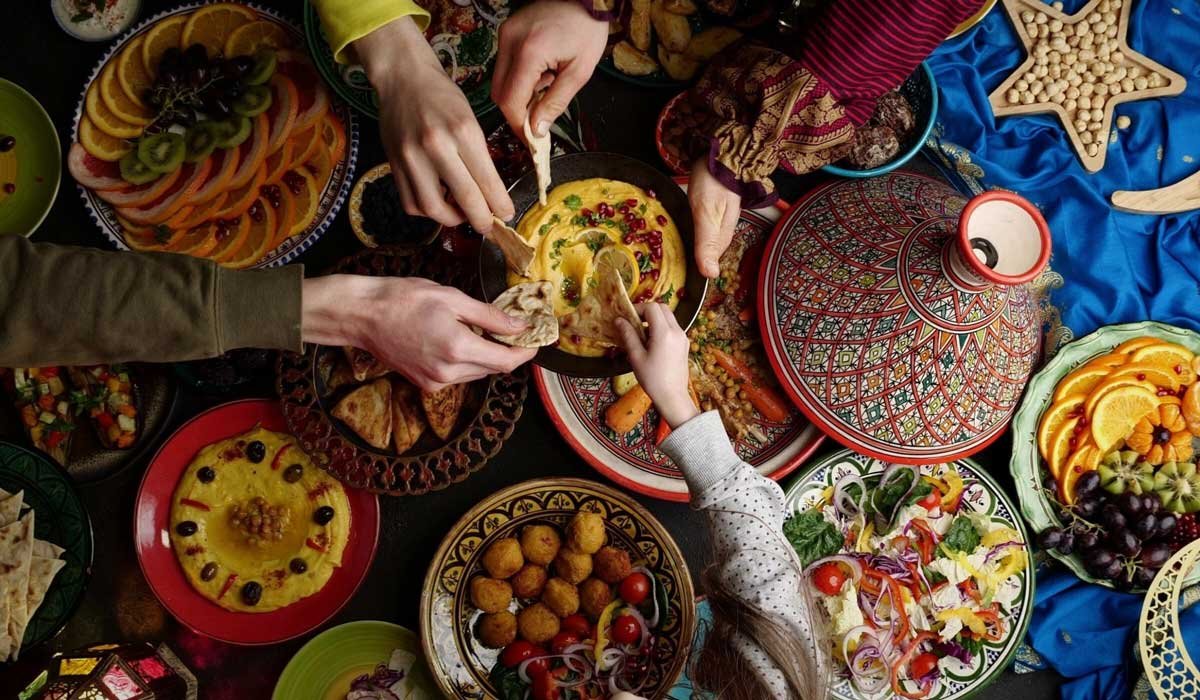
Middle Eastern side dishes can turn a simple plate of grilled chicken, lamb, fish, or roasted vegetables into a generous, colorful meal. The best spreads balance creamy dips with crisp salads, warm grains, pickles, and something fresh from the oven. You do not need to make a dozen recipes, either: three or four contrasting sides are usually enough to create the relaxed, abundant feel of a mezze table.
This guide covers 18 classic options from across the region, with notes on flavor, texture, serving, and make-ahead timing. Because 鈥淢iddle Eastern鈥?describes many distinct cuisines, names and preparations may vary from Lebanon and Syria to Egypt, T眉rkiye, Palestine, Jordan, Iraq, and the Gulf.
18 Middle Eastern Side Dishes for a Colorful Table
1. Hummus
Hummus is a smooth blend of chickpeas, tahini, lemon juice, and garlic. Its nutty, creamy flavor makes it one of the easiest sides to pair with grilled meat, falafel, roasted vegetables, or warm pita. For the silkiest texture, blend the chickpeas while they are warm and add ice-cold water a spoonful at a time. Finish with olive oil, paprika or sumac, and whole chickpeas.
2. Baba Ghanoush
This smoky eggplant dip gets its character from deeply charred eggplant mixed with tahini, lemon, and garlic. The fire-roasted flavor is the point, so cook the eggplant until its skin blackens and the flesh nearly collapses. Drain the flesh before mixing to prevent a watery dip. Baba ghanoush is especially good beside lamb kebabs or other rich mains.
3. Muhammara
Muhammara is a red pepper and walnut dip associated with Aleppo. Roasted peppers bring sweetness, walnuts add body, and pomegranate molasses provides a distinctive sweet-tart edge. Breadcrumbs help create a scoopable consistency. Serve it with flatbread or spoon it alongside grilled chicken. If you enjoy the pepper鈥檚 fruity heat, try this honey Aleppo pepper sauce recipe for another way to use the flavor.
4. Labneh
Labneh is strained yogurt with a thick, tangy texture somewhere between Greek yogurt and soft cheese. Spread it on a shallow plate, make swirls with the back of a spoon, and top it with olive oil and za鈥檃tar. It provides a cool contrast to spicy food and can be prepared a day or two ahead. Use full-fat yogurt for the richest result.
5. Tabbouleh
A proper parsley-forward tabbouleh tastes bright, herbal, and lemony. Finely chopped parsley forms the base, while tomato, mint, green onion, and a modest amount of fine bulgur round it out. Dry the herbs thoroughly before chopping, and add the dressing near serving time. This salad cuts through fatty meats and adds vivid green color to a beige-heavy spread.
6. Fattoush
Fattoush combines crunchy vegetables, herbs, and toasted or fried pieces of pita. A dressing of lemon, olive oil, garlic, and sumac gives the salad its sharp, citrusy personality. Keep the bread separate until the last moment so it stays crisp. It is an excellent choice when your main course is soft or rich and needs textural contrast.
7. Shirazi Salad
This finely diced Persian salad uses cucumber, tomato, onion, and herbs with a tart lime or verjuice dressing. Every bite is cool and juicy, making it particularly refreshing with rice dishes and kebabs. Remove excess tomato seeds if you plan to hold the salad for more than an hour, and cut the vegetables into similarly small pieces for the best texture.
8. Israeli Salad
Also commonly called chopped salad, this simple combination of diced cucumber, tomato, and onion is dressed with lemon juice and olive oil. Parsley is a welcome addition, though variations are common. Its appeal lies in freshness rather than complexity. Choose firm vegetables, season just before serving, and let it bring crunch to breakfast, lunch, or dinner.
9. Turkish Shepherd’s Salad
Known as 莽oban salatas谋, this chopped salad typically includes tomato, cucumber, green pepper, onion, and parsley. A bright dressing of lemon or vinegar and olive oil ties it together. Compared with some other chopped salads, the green pepper gives it a grassy bite. Serve it with grilled fish, k枚fte, or flatbreads.
10. Batata Harra
Batata harra consists of crisp potatoes tossed with garlic, cilantro, chili, and lemon. The contrast between the browned exterior and fluffy center makes these potatoes difficult to leave alone. Roast or fry them until deeply golden, then add the herb mixture so the garlic does not burn. Adjust the chili to suit the rest of the menu.
11. Mujadara
Mujadara is a comforting combination of lentils, rice or bulgur, and deeply caramelized onions. It is humble, filling, and full of savory flavor. The onions need patience: cook them until mahogany rather than merely soft. A cucumber-yogurt sauce or chopped salad keeps the plate lively. For a different grain base, explore these healthy white rice alternatives.
12. Vermicelli Rice
Rice with toasted vermicelli is a familiar companion to stews, grilled meats, and saucy dishes. Browning the short pasta in butter or olive oil creates a warm, nutty aroma before the rice and liquid go into the pot. Rinse the rice well, use a tight-fitting lid, and rest it off the heat before fluffing for separate, tender grains.
13. Bulgur Pilaf
Bulgur pilaf is hearty without feeling heavy. Many versions cook coarse bulgur with onion, tomato or pepper paste, stock, and spices. Because bulgur is already parboiled, it cooks faster than many whole grains and readily absorbs flavor. Pair it with kebabs, roasted eggplant, or yogurt and herbs for a satisfying vegetarian plate.
14. Lebanese Green Beans
Often called loubieh bi zeit, these green beans are slowly cooked with tomato, onion, garlic, and olive oil. They are traditionally enjoyed warm or at room temperature, so they are useful when oven and stovetop space is limited. The beans should become tender and absorb the garlicky tomato sauce rather than remain sharply crisp.
15. Roasted Cauliflower with Tahini
High heat transforms cauliflower into a deeply browned, sweet-edged side. Drizzle it with lemony tahini sauce and finish with parsley, toasted sesame seeds, or pomegranate arils. Thin the tahini with cold water until it pours easily; it may tighten at first, but continued whisking creates a smooth sauce. This is a strong vegetarian centerpiece as well as a side.
16. Stuffed Grape Leaves
Vegetarian stuffed grape leaves, or warak enab and dolma in different traditions, are filled with seasoned rice, herbs, and sometimes tomato. They are compact, tangy, and ideal for a mezze platter. Rolling takes time, but the finished leaves hold well in the refrigerator. Serve them at room temperature with lemon wedges and yogurt.
17. Pickled Turnips
Bright pink pickled turnips add acidity, crunch, and color with almost no last-minute work. Their hue traditionally comes from a slice of beet added to the brine. Tuck them into shawarma wraps, place them next to hummus, or use them to wake up a rich rice plate. Because they are assertive, a small bowl is enough for a group.
18. Warm Pita or Flatbread
Bread is what makes dips, salads, and grilled dishes feel connected. Warm pita in the oven under a clean towel so it stays soft, or toast wedges when you need extra crunch. One or two pieces per person is a practical starting point, with more for a dip-heavy menu. Serve it warm rather than piping hot so the rest of the food can be enjoyed immediately.
How to Build a Balanced Middle Eastern Side-Dish Spread
Think in contrasts instead of choosing several dishes with the same role. For four to six people, select one item from each of these groups:
- Creamy: hummus, baba ghanoush, labneh, or muhammara
- Fresh: tabbouleh, fattoush, Shirazi salad, or shepherd鈥檚 salad
- Warm and hearty: batata harra, mujadara, vermicelli rice, bulgur pilaf, or green beans
- Sharp or crunchy: pickled turnips, toasted pita, or crisp raw vegetables
A simple winning menu could be hummus, fattoush, vermicelli rice, and pickled turnips with chicken skewers. For a vegetarian meal, combine muhammara, tabbouleh, mujadara, roasted cauliflower, and flatbread. If the main dish is rich, favor lemony salads and pickles; if it is lean and simply seasoned, add a creamy dip and a substantial grain.
Make-Ahead and Serving Tips
- Two to three days ahead: prepare pickled turnips if using a quick-pickle recipe, or make stuffed grape leaves.
- One day ahead: make hummus, baba ghanoush, muhammara, labneh, mujadara, or braised green beans. Refrigerate everything in covered containers.
- A few hours ahead: chop sturdy salad ingredients, mix tahini sauce, and toast nuts. Keep dressings and pita separate.
- Just before serving: dress leafy or bread-based salads, warm rice and pita, add garnishes, and bring dips out of the refrigerator so they lose their chill.
For food safety, refrigerate yogurt-based dishes, cooked grains, and cut vegetables within two hours, or within one hour when the surrounding temperature is above 90掳F (32掳C). Use clean serving utensils and return leftovers to the refrigerator promptly.
Frequently Asked Questions
What are the most popular Middle Eastern side dishes?
Hummus, baba ghanoush, tabbouleh, fattoush, rice pilaf, stuffed grape leaves, and pickled vegetables are among the most widely recognized. Popularity varies by country and household, and each dish has regional versions worth exploring.
Which sides go best with kebabs?
Pair kebabs with one cooling element, one fresh salad, and one starch. Labneh or hummus, shepherd鈥檚 salad or tabbouleh, and vermicelli rice or warm pita make a balanced plate. Pickles add a welcome acidic finish.
Which options are naturally vegetarian?
Most dishes in this list are vegetarian when prepared with vegetable stock and without meat-based garnishes. Hummus, muhammara, tabbouleh, fattoush, batata harra, mujadara, bulgur pilaf, braised green beans, and roasted cauliflower are easy choices. Check yogurt, butter, and bread if you need the entire meal to be vegan.
How many side dishes should I serve?
For a regular family meal, two or three sides are plenty. For a mezze-style dinner, plan four to six, making sure the selection includes different textures and temperatures. Serving smaller portions allows guests to sample everything without creating excessive leftovers.
Can I serve these dishes at room temperature?
Many can be served at room temperature, including hummus, muhammara, stuffed grape leaves, braised green beans, and pickles. Rice, potatoes, and pita are usually best warm, while yogurt dishes and chopped salads should remain chilled until close to serving time.
Final Thoughts
The most memorable Middle Eastern side dishes are not simply extras; they create the rhythm of the meal. A spoonful of cool labneh softens spice, a sharp pickle balances rich meat, and a fresh salad lifts a hearty grain. Start with three contrasting dishes, add warm bread, and let everyone build a plate that moves between creamy, crisp, savory, and bright.