

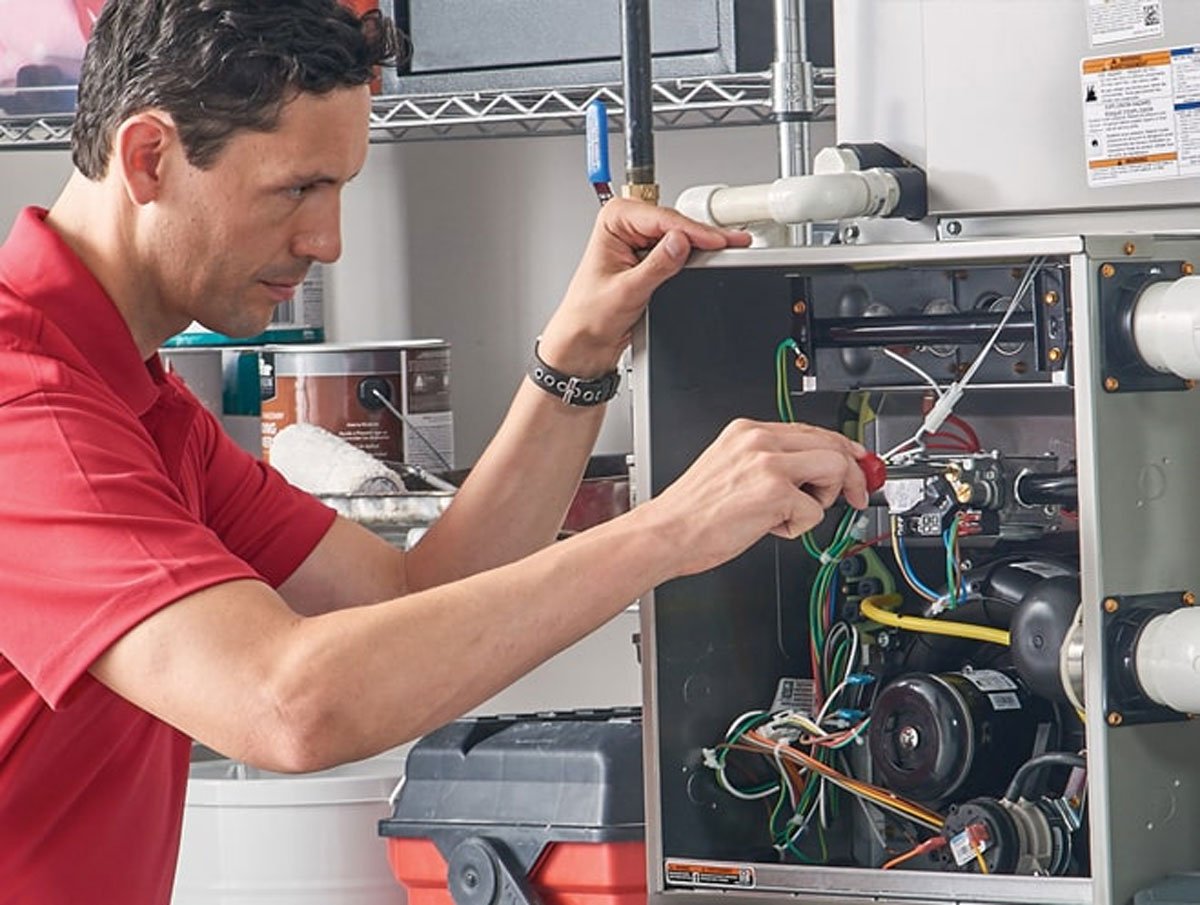
In the city of Calgary, furnace service and repair is not just a matter of comfort, but a matter of health and safety. Calgary is known for very severe winters that can drop down to -30°C or -40°C—and sometimes the Chinook wind brings sudden temperature changes.
That puts an unusual amount of responsibility on the heating system. It has to respond when required, operate safely, and remain dependable through changing environmental conditions—not simply survive the coldest week of the year.
Here is an analysis of the necessity (the reasons why this service is important) and the issues that hurt and frustrate Calgary residents the most:
1. When Calgary Weather Exposes Furnace Weaknesses
Calgary’s cold winters are the obvious test. When temperatures plunge, a furnace may be running for long periods simply to keep the home at a safe and comfortable temperature. That is also when a weakness that seemed minor in October can become a serious problem in January.
The mistake many homeowners make is waiting for that point. They wait until the furnace stops working. The less demanding months can actually provide useful clues. Changing temperatures can reveal early signs that the heating system is no longer performing as it should.
- A furnace may cycle differently
- The system may struggle to maintain a consistent temperature
- It may leave certain rooms noticeably cooler.
Those signs can be easy to tolerate when outdoor conditions are relatively mild. But when the weather demands peak performance, a system that was already struggling may suddenly have very little room left to compensate. What seemed like a minor inconvenience can quickly become a genuine heating problem when the furnace is pushed to meet sustained demand. That is when the expertise of an Emergency Furnace Repair in Calgary make a real difference, getting to the underlying problem before a temporary weakness becomes a larger disruption.
2. Winter Changes the Home Heating Equation.
When severe cold arrives, there is much less room for a marginal component, restricted airflow or aging equipment to keep compensating. The furnace has to deliver sustained performance when the demand is highest.
That is why the most useful time to assess a heating system is not necessarily when it has already stopped working. It is when its behavior begins to change.
A professional assessment can look at issues such as:
- Heating performance: Is the system keeping pace as outdoor temperatures fall?
- Air distribution: Is heat reaching the rooms that need it?
- System cycling: Is the furnace operating normally or repeatedly switching on and off?
- Equipment condition: Are aging components becoming a reliability concern?
- The wider system: Could ductwork, insulation or airflow be contributing to poor performance?
And when a breakdown does occur during severe weather like winter, urgency matters. Prolonged loss of heat can affect comfort, vulnerable plumbing and the overall safety of the property. The point is not to fear the cold. It is to recognize how winter can reveal the weaknesses of your furnace.
3. The Indoor Environment Matters Too
Outdoor weather affects how hard your furnace works, but insulation, ductwork, and airflow decide how heat spreads. If some rooms stay cold, the issue might be your home’s setup—not just the furnace.
Likewise, unusual furnace behaviour should not automatically be dismissed as normal seasonal variation. Combustion equipment requires proper attention to safety, including appropriate venting and the potential risks associated with carbon monoxide.
Good service therefore involves looking at the system in context. The technician needs to listen to what the homeowner is experiencing, investigate the equipment and distinguish between an actual furnace fault and a wider comfort or airflow problem.
4. Calgary Homes Need Different Heating Solutions
Two houses on the same street can place very different demands on their furnaces. An older property may have aging ductwork, insulation limitations or equipment that was selected for conditions that no longer reflect the home’s current layout. A newer, tightly constructed house may have an entirely different airflow and ventilation profile.
That is why furnace installation or replacement should begin with the property—not a sales brochure.
The right conversation might involve:
- Heating capacity and actual household demand
- Efficiency over the expected operating life
- Compatibility with existing ductwork
- The home’s insulation and air distribution
- Equipment reliability and serviceability
- The long-term cost of ownership
Modern high-efficiency equipment can make sense, but only when it is properly matched to the property and professionally installed. A technically impressive furnace is not necessarily the right furnace if the surrounding system cannot support it.
5. Maintenance Should Follow the Equipment, Not Just the Calendar
Maintenance and care should follow the condition of the appliance, not just the calendar. For example, a homeowner with an older unit may reasonably ask whether another repair is worthwhile. Someone with a relatively new furnace may instead need to understand why performance has changed. A property owner managing several buildings may have entirely different priorities around reliability and service planning.
Those situations deserve different responses. A professional service relationship should therefore provide more than a quick tune-up. It should combine technical knowledge, careful listening and practical recommendations that make sense for the property.
In essence, reliable furnace performance in Calgary is ultimately about adaptability. The system has to respond to changing outdoor conditions while maintaining a stable indoor environment, and the quality of that performance depends on more than the furnace itself. Homeowners benefit most when service is approached as an ongoing process of assessment, informed maintenance and sensible investment—not simply an emergency response when something stops working.