

Anyone who has trained consistently knows the frustration of hitting a wall despite doing everything seemingly right. The workouts are structured, the nutrition is dialed in, and sleep is prioritized, yet progress still feels slower than it should. One factor that often gets overlooked in this equation is circulation, the efficiency with which blood moves through the body to deliver oxygen, clear waste, and support the repair processes that make fitness gains possible in the first place. For those experiencing circulation-related challenges that affect training recovery, exploring insurance-covered vein treatment in Fort Worth may help address underlying vein concerns that could be limiting physical performance and overall progress. While most training advice focuses on what happens during a workout, the real advantage often lies in what happens afterward, and that recovery process depends heavily on how well the circulatory system is functioning.
Why Recovery Is the Hidden Engine of Fitness Progress
It is tempting to think that fitness improvements happen primarily during exercise itself, but the truth is more nuanced. Training creates the stimulus for adaptation, placing controlled stress on muscles, connective tissue, and the cardiovascular system, but the actual improvements, whether that means increased strength, better endurance, or enhanced muscle definition, occur during the recovery period that follows. This is when the body repairs microscopic muscle damage, replenishes energy stores, and strengthens the systems that were challenged during training. Without efficient recovery, the body never fully capitalizes on the work put in during a session, which is why two people following identical workout programs can experience very different rates of progress depending on how well their bodies recover between sessions.
The Circulatory System’s Role in Muscle Repair
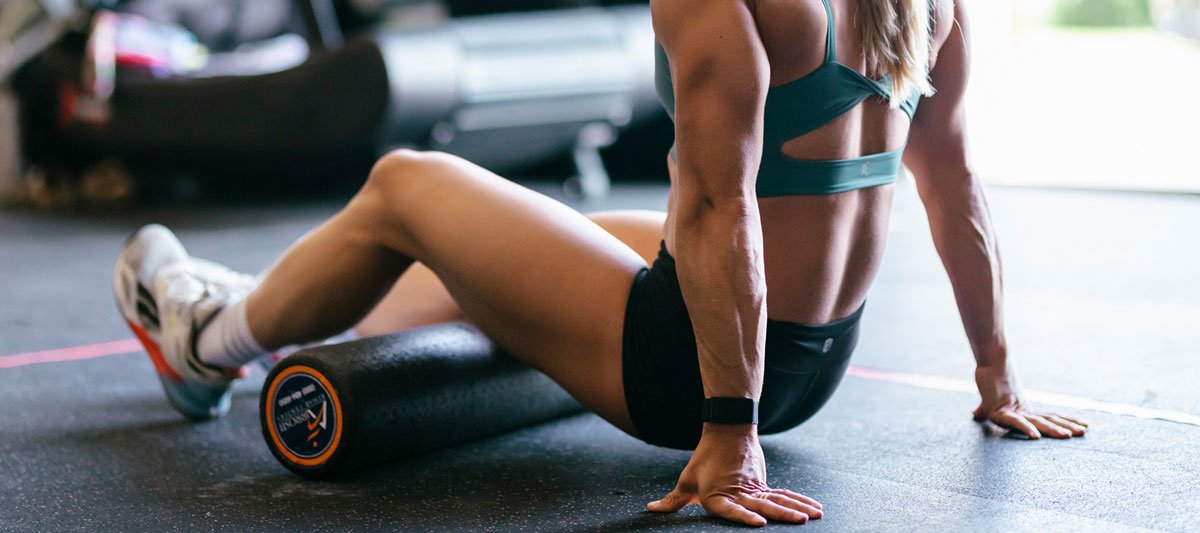
At the center of effective recovery is circulation. After exercise, muscle tissue requires a steady supply of oxygen and nutrients to begin the repair process, while simultaneously needing efficient removal of metabolic byproducts like lactic acid that accumulate during intense effort. Blood flow is the mechanism that makes both of these processes possible. When circulation is functioning optimally, nutrients and oxygen reach damaged tissue more quickly, accelerating the repair timeline, while waste products are cleared more efficiently, reducing the lingering soreness and stiffness that can interfere with subsequent training sessions. This is part of why techniques that promote blood flow, such as light active recovery, foam rolling, or contrast therapy, have become popular among athletes seeking to shorten recovery time and return to training sooner without sacrificing tissue repair quality.
How Poor Circulation Silently Undermines Progress
When circulation is compromised, whether due to prolonged sedentary periods, dehydration, or underlying vascular issues, the effects on fitness progress can be significant, even if they are not always immediately obvious. Reduced blood flow slows the delivery of repair nutrients to damaged muscle tissue, extending the time needed for full recovery. This often manifests as prolonged soreness, a feeling of persistent fatigue, or a sense that the body never quite catches up between training sessions. Over time, this can create a frustrating cycle where individuals either push through inadequate recovery, increasing injury risk, or unconsciously reduce training intensity to compensate for how their body feels, both of which ultimately slow overall progress. Because these effects tend to develop gradually, poor circulation is often one of the last factors people consider when troubleshooting a fitness plateau, despite playing a foundational role in the recovery process.
The Legs as a Circulatory Bottleneck
The legs deserve particular attention in this conversation, since they are both heavily utilized during most forms of exercise and especially dependent on efficient venous return, the process of blood traveling from the lower body back up to the heart against gravity. This process relies on a combination of calf muscle contractions and a series of one-way valves within the leg veins. When these valves function properly, blood moves efficiently upward with each muscle contraction. However, factors such as prolonged sitting, repetitive high-impact training, or genetic predisposition can weaken these valves over time, leading to blood pooling in the lower legs. This pooling not only creates the visible signs associated with varicose veins but also contributes to a less efficient circulatory environment overall, which can directly slow recovery in the very muscle groups most heavily relied upon during activities like running, cycling, or lower-body strength training.
Recognizing Circulatory Symptoms That Affect Training
Many athletes mistake early circulatory issues for ordinary training fatigue, which can delay appropriate attention to the underlying problem. Typical muscle fatigue tends to improve steadily with rest and follows a predictable pattern related to training intensity. Circulatory-related symptoms, by contrast, often present as a persistent heaviness or achiness in the legs that seems disproportionate to the actual training load, along with visible swelling, or the appearance of bulging, twisted veins beneath the skin. These symptoms may worsen throughout the day, particularly after long periods of standing, and often do not resolve with the same rest that typically addresses standard muscle soreness. Recognizing this distinction is valuable, since addressing a circulatory issue directly tends to produce far better results than simply modifying a training program that was never actually the root cause of the recovery difficulty.
Practical Ways to Support Circulation for Better Recovery
Supporting healthy circulation does not require abandoning a training routine, but rather incorporating habits that actively promote efficient blood flow alongside regular exercise. Staying consistently hydrated helps maintain optimal blood viscosity, allowing it to circulate more easily throughout the body. Incorporating light movement, such as walking, on rest days can help maintain circulatory efficiency without adding significant additional training stress. Elevating the legs after intense lower-body training sessions can assist venous return and reduce pooling, while compression garments have gained popularity among athletes specifically for their ability to support vein function during and after exercise. Additionally, ensuring adequate recovery-focused nutrition, including foods that support vascular health, can further reinforce the body’s ability to repair itself efficiently between training sessions.
When Circulatory Issues Require Professional Attention
While lifestyle adjustments can meaningfully improve circulation for many people, some circulatory issues extend beyond what general recovery habits can resolve. Varicose veins, in particular, are not simply a cosmetic concern; left unaddressed, they can worsen over time, potentially leading to increased discomfort, skin changes, or more serious complications that further interfere with an active lifestyle. Athletes or fitness enthusiasts noticing persistent leg heaviness, visible vein changes, or swelling that does not improve with standard recovery practices should consider seeking a professional evaluation rather than continuing to work around the discomfort indefinitely.
The Compounding Value of Prioritizing Circulation
When circulation is functioning well, the benefits extend beyond simply feeling less sore after a workout. Efficient blood flow supports faster muscle repair, allowing for more consistent training frequency without the extended downtime that comes from incomplete recovery. Over weeks and months, this compounding effect can meaningfully accelerate overall fitness progress, since the body is able to fully capitalize on each training stimulus rather than entering subsequent sessions still partially depleted from the last one. This is why experienced athletes and coaches increasingly emphasize circulation and recovery as core components of a training program, rather than treating them as secondary considerations behind workout intensity or exercise selection alone.
Conclusion
Fitness progress is often assumed to be a direct product of training effort, but the recovery process, and the circulatory efficiency that supports it, plays an equally critical role in determining how quickly and sustainably those gains materialize. Understanding how blood flow influences muscle repair, recognizing the early signs of circulatory issues, and addressing barriers like vein dysfunction when they arise can meaningfully improve both recovery speed and long-term training consistency. By treating circulation as a foundational element of fitness rather than an afterthought, athletes and everyday exercisers alike can unlock a recovery advantage that supports steady, sustainable progress over time.