

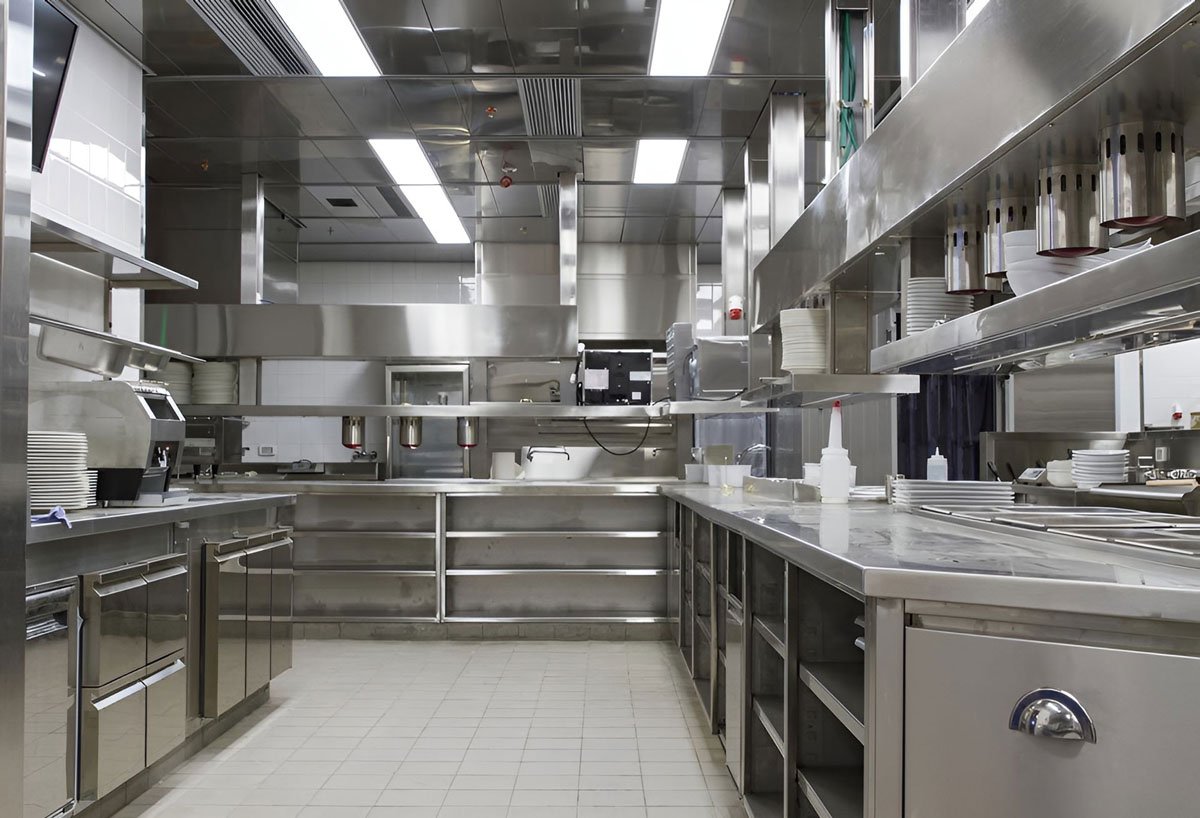
All food businesses come from somewhere; for many food business owners, it’s from their own kitchens. However, expansion brings problems such as the lack of equipment designed for volume. There comes a time in your experience of this situation where the question is no longer, “can I make this work?,” but becomes, “why am I still trying to make this work? This article explores the most obvious indicators you need to step away from your old kitchen appliances and switch to high-quality commercial kitchen equipment – and how a quality supplier such as CKitchen can help you make the transition.
Why Home Kitchens Hit a Ceiling
Home kitchens are designed to serve the needs of one home, not to generate a consistent revenue stream to those who must pay for their food. Residential ovens, refrigerators and dishwashers are not built to run full-time and continuously as a food business requires. This fundamental mismatch will make it easier to recognise the warning signs.
Equipment Wasn’t Designed for Continuous Use
A home oven is probably able to bake for several hours on a weekend, but it can’t run for 10 or 12 hours per day, day in and day out. Commercial units have a heavier gauge, more powerful motor and components rated for continuous use. The strain on home equipment can cause it to wear out quicker and fail when you need it most.
Health and Safety Codes Often Require It
Once a kitchen is making food for sale to the public, many local health departments will start to require Commercial Kitchen Equipment. Inspectors pay attention for certain certifications, for instance NSF ratings, that confirm that equipment adheres to sanitation and safety requirements. Using the appliances at home beyond a certain limit may lead to rejection of the inspection, fines or even loss of business license.
Clear Signs You’ve Outgrown Your Home Kitchen
You’re Constantly Running Out of Space
If you have covered countertops, a full refrigerator and ingredients stored in the recesses of your kitchen, space is the limiting factor.
Food Quality and Consistency Are Slipping
Inconsistent heating, inconsistent temperatures and appliances that cannot achieve precise temperatures all result in inconsistent results. When customers place an order, they want it to be the same as the last time, and home equipment just can’t always be as reliable as that. Commercial units provide more uniform temperature and heat distribution and therefore result in more uniform food quality.
Your Energy Bills Are Climbing Unexpectedly
The use of residential appliances by businesses is not designed to withstand the heavy duty use and can result in greater energy usage when operating at capacity. Commercial equipment is usually more energy-efficient when using it in large volumes, as the equipment is designed to be used for extended periods of time rather than occasional home cooking.
What to Consider Before Upgrading
Assess Your Current and Future Volume
When shopping, gaze your order volume in the eye and ask yourself this: What is it now and where will it be in 1 to 3 years? Equipment purchases for “now” needs may come with a follow-up purchase in a few years. It is better to invest slightly ahead of demand, rather than always trying to be “up to date.
Understand Your Kitchen Layout and Power Requirements
Commercial equipment may have different electrical, gas and/or ventilation requirements to the typical residential kitchen. When buying new units, make sure that the units required will fit the power, exhaust and footprint of commercial grade units.
Choosing the Right Supplier for Commercial Kitchen Equipments
CKitchen has developed a reputation with restaurant owners and food service operators for providing a wide range of commercial kitchen appliances and advice that ensures that the right equipment is purchased to avoid the “fitting the square peg into the round hole. Having a long-standing supplier also means easier access to warranties, replacement parts and technical support in the future, something that will be beneficial when operating equipment every day, rather than occasionally.
Making the Transition Smoothly
Many businesses will introduce new equipment gradually, replacing the most critical bottlenecks first and running their business with the old equipment until the new equipment is in place. Scheduling the transition during less busy periods in business, scheduling installation dates with suppliers, and training staff on new equipment BEFORE it becomes a necessity all help reduce disruption.
Conclusion
That kitchen may serve you well in the beginning, but when orders start piling up, the equipment is starting to show signs of wear and tear, and quality is beginning to wane, a home kitchen might be craving the big time. These are not just slowing and hindering you down; they are putting real constraints on your brand’s ability to go anywhere.
Switching to commercial kitchen equipment isn’t something that costs you more money, it’s an investment in reliability, speed and the quality that you can provide that will keep customers coming back. It’s businesses that make this change BEFORE it becomes an emergency, not after, who scale successfully. When the time comes to take the plunge, you don’t have to wing it with a trusted partner like CKitchen with you. You are creating a kitchen that is truly designed for your business’s intended future, not where your business began.