

Introduction
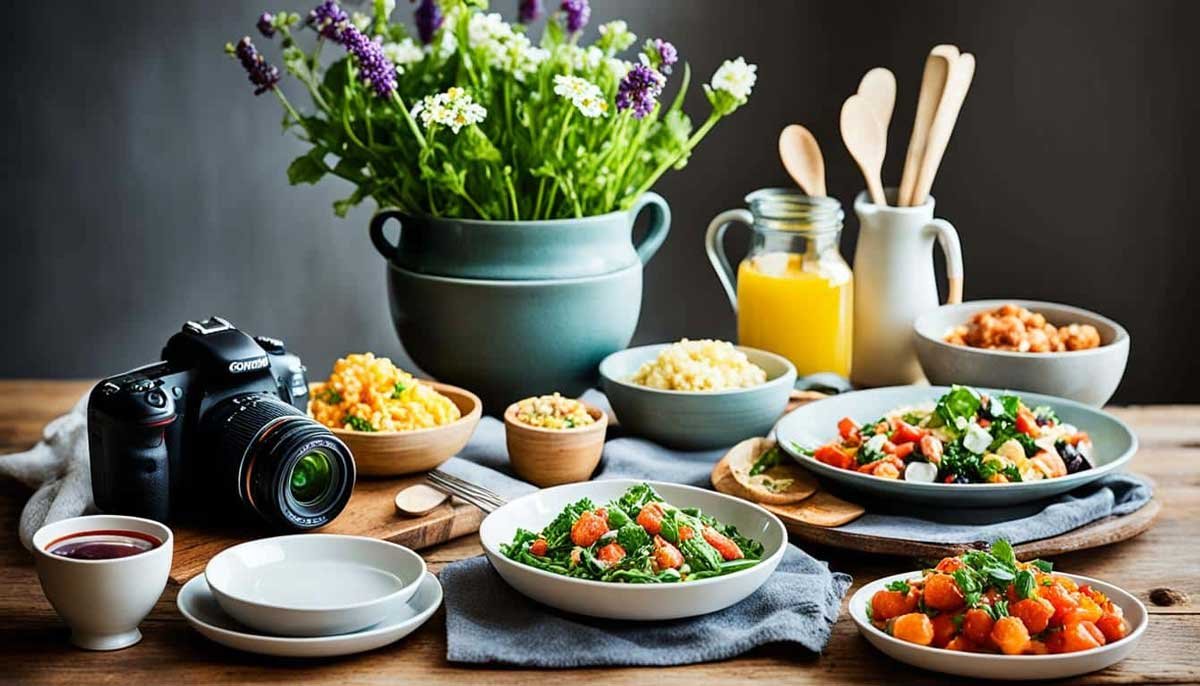
Food photography has become an essential part of cooking, blogging, and even everyday dining experiences. Whether you are sharing a homemade meal on social media or building a food portfolio, the way your dish looks in a photo can dramatically influence how it is perceived.
The good news is that you do not need expensive equipment or professional training to make your food look appealing. With a few practical techniques, you can turn simple meals into visually stunning images that look like they belong in a magazine.
Why Presentation Matters in Food Photography
Before diving into techniques, it is important to understand why presentation plays such a key role. People eat with their eyes first, and the same principle applies to photography. A well-composed food photo can make a dish feel more appetizing, higher quality, and more memorable.
Good presentation is not about changing the food itself. It is about highlighting texture, color, and structure in a way that feels natural and inviting. Even simple dishes like pasta or soup can look professional when photographed thoughtfully.
Lighting Makes the Biggest Difference
Lighting is one of the most important elements in food photography. Without good lighting, even beautifully prepared dishes can look flat or unappealing.
Natural light is usually the best option because it provides soft and even illumination. Position your dish near a window and avoid harsh overhead lighting that creates unwanted shadows.
If natural light is not available, you can use artificial light sources, but try to keep them diffused to maintain a natural look.
Tips for better lighting
- Use side lighting to highlight texture
- Avoid direct flash, which can flatten the image
- Shoot during daytime when possible
- Use a white surface to reflect light naturally
- Keep shadows soft rather than harsh
Good lighting brings out the details that make food look fresh and appetizing.
Choosing the Right Angle
The angle of your photo can completely change how a dish appears. Different foods look better from different perspectives, so it is worth experimenting.
For example, flat dishes like pizzas or pancakes often look best from above, while layered foods like burgers or cakes are more appealing from a side angle that shows structure.
The goal is to choose an angle that highlights the most attractive features of the dish.
Styling the Plate Like a Professional
Food styling is about arranging the dish in a way that feels intentional but not overly staged. Small adjustments can make a big difference in how professional the final image looks.
You do not need complex decorations. Simple touches like spacing ingredients properly or adding garnish can enhance visual appeal.
Easy styling techniques
- Use fresh herbs as natural decoration
- Wipe edges of the plate for a clean look
- Avoid overcrowding the plate
- Add contrast with different textures
- Keep colors balanced and natural
These small details help create a polished and intentional appearance.
Background and Composition
The background of your photo plays a major role in how the dish is perceived. A cluttered background can distract from the food, while a clean and simple setup helps the dish stand out.
Neutral surfaces like wooden tables, white counters, or soft fabric backgrounds often work well because they do not compete with the food for attention.
Composition is equally important. Placing the dish slightly off-center can create a more dynamic and visually interesting image.
Editing to Enhance Natural Beauty
Even the best food photos can benefit from subtle editing. The goal is not to alter the dish but to enhance its natural appeal.
Adjustments such as brightness, contrast, and color balance can help bring out the textures and tones of the food.
In some cases, a tool to enhance your image can help refine details and improve overall clarity without making the photo look artificial.
Key editing adjustments to consider
- Increase brightness slightly for clarity
- Adjust contrast to highlight texture
- Enhance color balance for natural tones
- Crop to improve composition
- Sharpen details subtly
Editing should always enhance realism, not replace it.
Using Props Without Overcomplicating the Scene
Props can add context and storytelling to food photography, but they should never overwhelm the dish itself. Simple items like utensils, napkins, or ingredients used in the recipe can help create a more engaging scene.
The key is subtlety. Props should support the food, not distract from it.
For example, a cup of coffee next to a slice of cake can create a cozy atmosphere, while too many props can make the image feel cluttered.
Focus on Freshness and Timing
Timing plays an important role in food photography. Many dishes look best when they are freshly prepared. Steam rising from a hot meal or melted cheese can add a sense of realism and appeal.
If food sits too long before being photographed, it may lose its visual appeal. Planning your shot before serving can help capture the dish at its best moment.
Conclusion
Making food look professional in photos is about combining simple techniques like lighting, composition, styling, and subtle editing. With practice, even everyday meals can be transformed into visually appealing images that highlight their best qualities. By paying attention to detail and focusing on presentation, you can create food photos that look polished, inviting, and truly professional.