

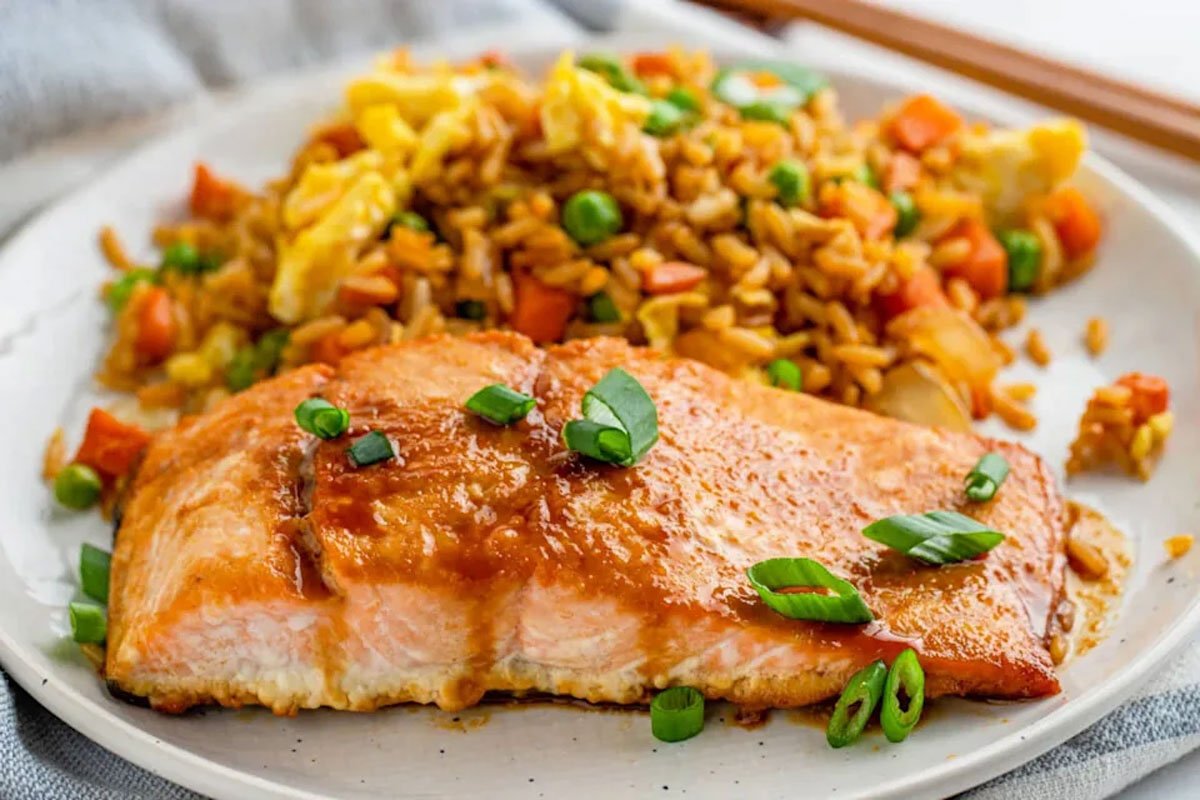
Roasted asparagus, garlic-butter rice, and a crisp cucumber salad rank among the strongest side dishes for salmon because they balance the fish’s rich omega-3 profile without competing for attention. The real trick is matching texture and flavor weight so neither the protein nor the side overwhelms the other.
Salmon sits in a rare sweet spot: fatty enough to stand up to bold seasonings, yet delicate enough that a heavy side can bury its flavor. Most recipe roundups throw 30 or 40 options at you with zero guidance on why a pairing works. This guide narrows the field to 15 sides that actually earn their place on the plate, organized by what they bring to the meal nutritionally and texturally.
Roasted Vegetables That Pair With Salmon
Oven-roasted vegetables with a slight char create the ideal textural contrast to salmon’s soft, flaky interior, and the caramelization adds a natural sweetness that complements the fish’s richness. These are the workhorses of any salmon dinner.
Asparagus is the single most reliable side for salmon. Toss spears with olive oil and a pinch of salt, then roast at 425°F for 12 minutes. The slight bitterness and snap cut through salmon’s fattiness in a way few other vegetables can match. According to the USDA FoodData Central (2024), a cup of cooked asparagus delivers 40% of daily folate needs alongside vitamins A and K.
Brussels sprouts halved and roasted until the outer leaves crisp up bring a nutty, slightly sweet bite. They hold up well next to heavily seasoned salmon preparations like teriyaki or miso glaze. Toss them with a drizzle of balsamic vinegar during the last two minutes of roasting for an extra layer of flavor.
Roasted broccoli turns into a completely different vegetable in a hot oven compared to its steamed counterpart. The floret tips get crunchy and almost chip-like, while the stalks stay tender. A squeeze of lemon at the table ties everything back to the salmon.
All three vegetables cook in roughly the same time and temperature range as a salmon fillet, making sheet-pan dinners a realistic weeknight option. Spread the vegetables on one side and the fish on the other, and dinner comes together in under 25 minutes.
Starchy Sides That Round Out Salmon

A serving of complex carbohydrates alongside salmon transforms a light protein into a complete, satiating meal. The American Heart Association recommends pairing omega-3-rich fish with whole grains or starchy vegetables for balanced macronutrient intake.
Garlic mashed potatoes remain one of the most popular choices for a reason. The creamy texture mirrors the salmon’s richness, and roasted garlic adds depth without sharpness. Use Yukon Gold potatoes for a naturally buttery result that needs less added fat.
Smashed potatoes offer a different take on the same ingredient. Boil small potatoes until tender, smash them flat on a sheet pan, drizzle with olive oil, and roast at 450°F until the edges turn golden and crispy. The contrast between the fluffy interior and shattering crust gives a texture that creamy preparations cannot provide.
Wild rice brings a chewy, nutty quality that holds its own beside a well-seasoned fillet. Unlike white rice, wild rice has roughly three times the fiber and twice the protein per serving. Cook it with a bay leaf and a strip of lemon zest to build in subtle flavor without extra effort.
Quinoa pilaf checks both the carbohydrate and supplemental protein boxes. Toss cooked quinoa with diced cucumber, fresh mint, and a squeeze of lemon for a side that reads as both hearty and refreshing. Per the Harvard T.H. Chan School of Public Health (2023), quinoa is one of the few plant foods that supplies all nine essential amino acids.
Fresh Salads and Cold Sides for Salmon
A cold, crisp salad beside a warm salmon fillet creates a temperature contrast that sharpens every bite. Cold sides work especially well with grilled or pan-seared salmon where the fish already has a caramelized exterior.
Cucumber-dill salad is one of those combinations that feels obvious once you taste it. Thinly sliced English cucumber, fresh dill, a splash of rice vinegar, and a tiny pinch of sugar. That’s it. The cool crunch and herbal brightness reset your palate between bites of rich fish.
Greek salad with juicy tomatoes, crisp cucumber, thinly sliced red onion, Kalamata olives, and crumbled feta tossed in red wine vinaigrette provides acidity, salt, and crunch in a single bowl. Skip the lettuce entirely. A proper Greek salad is about the chunky vegetables, not filler greens.
Asian-style slaw made with shredded cabbage, carrots, cilantro, and a sesame-lime dressing pairs naturally with teriyaki, miso, or soy-glazed salmon. The crunch of raw cabbage stands up to bold Asian flavors where a tender lettuce salad would wilt and disappear.
Leafy greens like spinach deserve a specific mention for their nutritional synergy with salmon. Spinach contains fat-soluble vitamins A and K, and the omega-3 fatty acids in salmon enhance absorption of those vitamins. Wild Alaskan Company’s nutrition research (2025) confirmed that pairing fatty fish with dark leafy greens improves bioavailability of fat-soluble nutrients compared to eating the greens alone.
How to Build a Balanced Salmon Plate
A well-constructed salmon plate follows a simple formula: one protein, one starch, one non-starchy vegetable or salad. This three-part structure covers all macronutrient bases and gives you variety in flavor, texture, and color.
| Component | Purpose | Best Options | Portion |
|---|---|---|---|
| Salmon fillet | Protein + omega-3 fats | Baked, grilled, or pan-seared | 4-6 oz |
| Starchy side | Energy + satiety | Mashed potato, wild rice, quinoa | 3/4 cup |
| Vegetable/salad | Fiber + micronutrients | Roasted asparagus, green salad, slaw | 1-1.5 cups |
Color matters more than most people realize. If the salmon is orange-pink and the starch is beige, the vegetable should bring green, purple, or red to the plate. Visual variety signals nutritional variety, and it makes the whole meal more appealing before anyone takes a bite.
Cooking method plays a role in pairing decisions too. A heavily glazed teriyaki salmon already brings sweetness and salt, so the sides should lean neutral or acidic. A simply baked fillet with just salt and pepper leaves room for bolder sides like garlic-loaded mashed potatoes or a punchy vinaigrette-dressed salad. Match the intensity of the side to the intensity of the salmon preparation, and the plate stays balanced.
Quick Weeknight Side Dishes for Salmon
The fastest salmon sides cook in the same time or less than the fish itself, roughly 12 to 15 minutes. Speed matters on a Tuesday night, and these options require minimal prep.
Steamed green beans with a pat of butter and a scatter of toasted almonds take about 6 minutes from raw to plate. Blanch them in salted boiling water until they’re bright green and still have snap, then shock in ice water if you want to stop the cooking precisely.
Sauteed spinach with garlic cooks in under 4 minutes. Heat olive oil, add sliced garlic until fragrant (about 30 seconds), dump in a large pile of fresh spinach, and toss until it wilts. Season with salt and a squeeze of lemon. A full bag of spinach collapses down to a single serving, so buy more than you think you need.
Couscous might be the fastest starch on the planet. Boil water, pour it over couscous, cover, and wait five minutes. Fluff with a fork and stir in chopped herbs, a drizzle of olive oil, and diced sun-dried tomatoes. The entire process takes less time than the salmon needs in the oven.
Microwave-baked sweet potato delivers when you have exactly zero motivation to prep a side dish. Prick the skin, microwave for 5 to 7 minutes, split open, and add a small pat of butter. The natural sweetness pairs surprisingly well with salmon’s savory depth, and a medium sweet potato provides over 400% of the daily recommended vitamin A intake.
Side Dishes to Avoid With Salmon
Not every side belongs next to salmon. Certain combinations clash in ways that undermine both components, and knowing what to skip saves time and wasted groceries.
Heavy cream-based pasta dishes like fettuccine Alfredo turn a meal into a fat-on-fat situation with no contrast. Salmon already brings richness through its natural oils. Layering a cream sauce on top leaves the plate feeling dense and one-dimensional.
Strong-flavored sides like creamed corn or loaded baked potatoes with bacon, cheddar, and sour cream can overpower the fish entirely. Salmon has a nuanced flavor that disappears when it has to compete with multiple bold ingredients on the same plate.
Very spicy sides numb the palate and make it harder to taste the salmon. A mild chili flake or a gentle sriracha drizzle is fine. A scorching habanero salsa is not. The fish’s subtlety needs a palate that can still register it.
The common thread in pairings to avoid: anything that overwhelms through richness, heat, or volume. Salmon plays well with brightness (citrus, vinegar, fresh herbs), crunch (roasted vegetables, raw salads), and clean starches (rice, potatoes, quinoa). Steer toward those qualities and away from heavy, loud accompaniments.
Frequently Asked Questions
What vegetable goes best with salmon?
Asparagus is the most versatile and widely recommended vegetable for salmon. Its slight bitterness and crisp texture balance the fish’s rich, fatty profile. Roast it at 425°F for 12 minutes with olive oil and salt for the best results. Broccoli and green beans are close runners-up.
What starch pairs well with salmon?
Garlic mashed potatoes, wild rice, and quinoa pilaf are the three strongest starch pairings. Mashed potatoes complement creamy preparations, while wild rice and quinoa add nutty texture that stands up to bolder glazes. Choose based on whether you want richness (potatoes) or lighter grain-based balance (rice or quinoa).
Is rice or potatoes better with salmon?
Both work, but the cooking style of the salmon should guide the decision. Pan-seared salmon with a crispy skin pairs better with a creamy potato preparation that creates textural contrast. Grilled or glazed salmon leans toward rice, which absorbs sauces and dressings without adding competing richness.
What should you not serve with salmon?
Avoid heavy cream-based dishes, intensely spicy sides, and strongly flavored preparations like loaded baked potatoes. These overwhelm salmon’s delicate flavor. Stick with sides that bring brightness, crunch, or clean carbohydrates instead of layering more fat and heat onto an already rich protein.
Can you serve salmon with pasta?
Salmon pairs well with light pasta dishes using olive oil, lemon, and herbs or a simple garlic-and-white-wine sauce. Avoid heavy cream sauces like Alfredo, which create too much richness alongside the fish. Orzo tossed with cherry tomatoes and fresh basil is one of the better pasta-salmon combinations.