

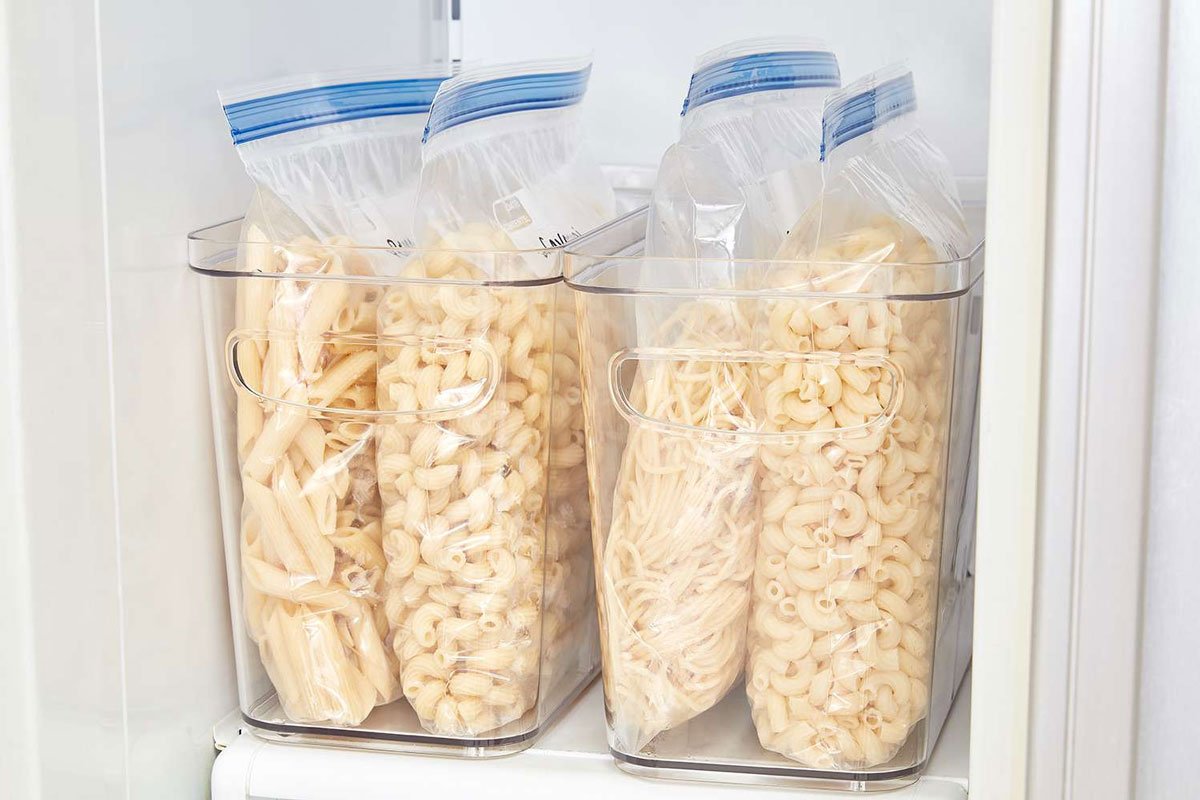
Cooked pasta leftovers last 3 to 5 days in the refrigerator when stored properly in an airtight container. The exact shelf life depends on the pasta type (fresh, dried, stuffed, or gluten-free), whether it’s mixed with sauce, and how quickly it was cooled after cooking. Push past day 5 and you’re not just dealing with dry pasta — you’re in the territory of Bacillus cereus, a heat-resistant bacterium that food safety authorities cite as one of the most common causes of fried rice syndrome and pasta-related food poisoning.
How Long Cooked Pasta Lasts — Day by Day
Not all pasta ages the same way in the fridge. The USDA guidelines for cooked grains apply to pasta: 3–4 days at 40°F (4°C) or below. In practice, most pasta dishes hold up well through day 4, with noticeable quality decline by day 5. Here’s what each day looks like.
| Day | Plain Pasta | Pasta with Sauce | Fresh Pasta | Stuffed Pasta |
|---|---|---|---|---|
| Day 1–2 | Excellent. Firm texture, separates easily. | Good. Sauce flavor fully absorbed. | Good. Slightly softer but fine. | Good. Filling stays moist. |
| Day 3 | Noticeably firmer. May clump slightly. | Still safe. Sauce may separate a little. | Soft but edible. Texture declines. | Filling beginning to dry. |
| Day 4 | Dry on edges. Clumps easily when reheated. | Edge of safety window. Check for smell. | Borderline. Discard if any sliminess. | Discard. Risk of filling spoilage. |
| Day 5 | Discard. Quality and safety risks increase sharply. | Discard. Sauce accelerates spoilage. | Discard. | Discard. |
Recipes like lasagna or baked pasta with sauce tend to last the full 5 days because the sauce creates a moisture barrier. Plain spaghetti or penne starts drying out around day 3. The window isn’t a hard switch — refrigeration temperature, container seal, and how quickly the pasta cooled down all shift the timeline in either direction by roughly a day.
How to Store Leftover Pasta Correctly
The single biggest mistake people make is putting warm pasta directly into the fridge. A large container of hot pasta can raise the internal temperature of your refrigerator, putting everything inside at risk. The USDA recommends cooling food to room temperature within two hours — but not by leaving it on the counter. Spread the pasta on a baking sheet or divide it into shallow containers so heat escapes quickly.
Step-by-step storage method:
- Cool quickly. Spread hot pasta on a baking sheet for 10–15 minutes. Toss occasionally with tongs to release steam.
- Portion. Divide into meal-sized portions. A large block of pasta cools unevenly and breeds bacteria in the center.
- Container choice. Airtight glass or BPA-free plastic containers. Not the pot you cooked it in — that’s too large and creates a slow-cooling center.
- Toss with oil (optional). A teaspoon of olive oil per portion helps prevent clumping. Skip this if the pasta is already sauced.
- Label and date. Write the date on the container. The 3-to-5-day window starts from cooking time, not from when you remember to check.
- Refrigerate. Set your fridge to 40°F (4°C) or below. A thermometer costs five dollars and eliminates guesswork.
Store pasta and sauce separately if possible. Plain pasta keeps its texture longer, and sauce won’t accelerate spoilage. Mix them only when reheating.
How to Tell If Pasta Has Gone Bad
Pasta that has gone bad shows three clear warning signs before it becomes dangerous: a sour or yeasty smell, a slimy film on the surface, and visible discoloration or mold spots. Run through these checks before every serving:
1. Smell. Fresh cooked pasta has a neutral, wheaty smell. If it smells sour, yeasty, or off in any way, discard it. Bacterial growth produces volatile compounds your nose can detect well before visible signs appear.
2. Texture. Run a fork through the pasta. Fresh pasta should feel separate and slightly springy. If it feels slimy, sticky, or has a film on the surface, that’s a biofilm produced by bacteria, discarding is the right call. A 2020 study on cooked grain spoilage found that Bacillus cereus produces a characteristic slime layer as it multiplies at refrigeration temperatures above 40°F.
3. Visual. Look for discoloration: grayish or whitish patches, dark spots, or any hint of mold. Mold on pasta isn’t always fuzzy, sometimes it shows as faint white or green specks that are easy to miss in dim kitchen light. If you see it, the mold you see is just the surface structure; the root system (mycelium) has likely spread through the entire dish.
“I just ate pasta that has been in the fridge for maybe 10 days. How long do I have to live?”
— r/internetparents, 15 upvotes, 7 comments (2021), source
Most people who eat pasta past the 5-day mark don’t end up in the hospital, but the risk climbs with every extra day. The Reddit post above captures the anxiety accurately: at 10 days, you’re well past any safety margin.
Can You Freeze Cooked Pasta?
Yes. Cooked pasta freezes well for up to three months. The texture after thawing won’t match fresh pasta, freezing makes the starch structure more fragile, but for quick meals, frozen pasta is a practical option that cuts food waste significantly.
How to freeze pasta:
- Cook the pasta al dente, one minute less than the package directions. Slightly undercooked pasta holds up better to freezing and reheating.
- Drain and rinse with cold water to stop the cooking process and remove surface starch.
- Toss with a small amount of olive oil to prevent freezing into a solid block.
- Portion into freezer-safe bags or containers. Press out as much air as possible before sealing.
- Label with the date and freeze. Flat bags stack efficiently and thaw faster.
Frozen pasta doesn’t need to be thawed before reheating. Drop it directly into boiling water for 30–60 seconds, or into a hot pan with sauce. The freezer stops bacterial growth, but quality degrades over time, use within three months for best texture. After that, the pasta becomes mushy and breaks apart easily.
Best Ways to Reheat Leftover Pasta

Reheating method determines whether leftover pasta tastes like a second meal or a punishment. The microwave works in a pinch but destroys texture. Here are the three methods ranked.
Stovetop (best). Add the pasta to a pan with a splash of water, broth, or extra sauce. Cover and heat on medium-low for 3–5 minutes, stirring once. The steam rehydrates the pasta without making it mushy. This works for both plain and sauced pasta.
Oven (great for baked dishes). For lasagna, baked ziti, or any pasta with a cheese topping, reheat in a 350°F oven for 10–15 minutes. Add a tablespoon of water to the dish and cover with foil to trap steam. Remove foil for the last 3 minutes to re-crisp the top.
Microwave (fastest, worst texture). If you’re using a microwave, sprinkle the pasta with water first, cover with a damp paper towel, and heat in 30-second bursts. Stir between bursts. The pasta won’t be as good as stovetop, but it will be safe if it reaches an internal temperature of 165°F.
One hard rule: reheat only the portion you plan to eat. Repeated cooling and reheating cycles multiply the bacterial risk. Once pasta has been warmed, any leftovers from that serving should be discarded.
Pasta With Sauce vs Plain Pasta, Does It Matter?
The type of sauce directly changes how long pasta stays safe in the fridge. Acidic tomato sauces act as a mild preservative, the low pH slows bacterial growth. Cream and dairy-based sauces spoil faster because their fat and protein content provide a richer medium for bacteria.
| Sauce Type | Fridge Life | Spoilage Signs |
|---|---|---|
| Tomato-based (marinara, arrabiata) | 4–5 days | Mold on surface, sour smell |
| Cream/Alfredo | 3–4 days | Separation, sour dairy smell |
| Pesto (oil-based) | 3–4 days | Discoloration, rancid smell |
| Olive oil and garlic | 4–5 days | Garlic may turn bitter, sliminess |
| Plain pasta (no sauce) | 3–5 days | Dryness, clumping, sour smell |
Plain pasta gives you the most flexibility because you can repurpose it, add a fresh sauce on day 3 and it effectively resets your quality window. Pasta that’s already mixed with sauce commits you to that flavor and timeline. Sound familiar? That moment of opening the fridge and realizing you have no idea when you cooked that pasta is exactly why labeling matters.
What Happens If You Eat Expired Pasta?
The most common pathogen in leftover pasta is Bacillus cereus, a spore-forming bacterium that survives the cooking process. When cooked pasta is left at room temperature too long or stored beyond its safe window, B. cereus multiplies and produces two types of toxins: one that causes diarrhea (similar to mild food poisoning) and one that causes vomiting (similar to Staphylococcus aureus food poisoning).
Per the CDC, symptoms typically appear 30 minutes to 15 hours after eating contaminated pasta and resolve within 24 hours in healthy adults. The illness is usually self-limiting, uncomfortable but not dangerous for most people. However, for pregnant women, older adults, young children, and anyone with a compromised immune system, the same infection can lead to dehydration requiring medical attention.
The NIH notes that B. cereus is one of the most frequently reported causes of foodborne illness in the United States, primarily from cooked grains and pasta that were stored improperly. The spores are heat-resistant, even thorough reheating may not destroy the toxins they’ve already produced. That’s why the discard-by date matters more than whether you plan to reheat thoroughly.
Does Pasta Type Change Shelf Life?
Yes, the base ingredient of your pasta directly affects how long it stays safe in the fridge. Traditional dried semolina pasta holds up for 3–5 days, while fresh store-bought pasta may spoil in as little as 1–3 days due to higher moisture content. The table below breaks down each type.
| Pasta Type | Fridge Life (Cooked) | Notes |
|---|---|---|
| Dried semolina pasta (spaghetti, penne) | 3–5 days | Holds texture best |
| Fresh homemade wheat pasta | 4–5 days | Egg content shortens life |
| Fresh store-bought pasta | 1–3 days | Higher moisture, spoils faster |
| Gluten-free pasta (rice, corn) | 3–5 days | Turns mushy faster but stays safe |
| Lentil, chickpea, or legume pasta | 3–5 days | Protein-rich, spoils similarly to wheat |
| Tortellini, ravioli, stuffed pasta | 3–5 days | Filling spoils before pasta shell |
Fresh pasta from the refrigerated section of the grocery store has a shorter fridge life after cooking because it starts with higher moisture content. Homemade pasta, despite being fresh, often lasts slightly longer because it has less surface moisture and a tighter gluten structure. The difference is small, always let your senses be the final judge.
Frequently Asked Questions
Can I eat pasta after 7 days in the fridge?
No. Cooked pasta should not be eaten after 7 days in the refrigerator. The USDA guideline is 3–4 days for cooked grains; by day 7, the risk of Bacillus cereus or other bacterial growth is significant even if the pasta looks and smells normal. Discard it.
Is pasta still good if it smells fine but looks dry?
Dryness alone is a quality issue, not a safety one. If the pasta smells normal, has no slime or mold, and was stored in the fridge properly, dry pasta is safe to eat, but it won’t taste great. Reheat with a splash of water or sauce to restore moisture.
Can you get food poisoning from old pasta?
Yes. Bacillus cereus, a common pathogen in cooked grains and pasta, produces toxins that cause vomiting and diarrhea. The CDC reports that symptoms appear within 30 minutes to 15 hours of eating contaminated pasta. Reheating kills the bacteria but not the toxins.
Should I rinse pasta before storing it?
Rinsing cooked pasta with cold water stops the cooking process, removes excess starch, and prevents clumping, all helpful if you’re storing plain pasta. Skip the rinse if the pasta is already sauced, as the sauce adheres better to unrinsed pasta.
Can I store pasta and sauce together?
You can, but separating them gives you better results. Pasta stored separately stays firmer and lasts longer, while sauce can be portioned and reheated independently. If you’re meal-prepping for the week, store components separately and combine at reheating time.
What temperature should the fridge be for pasta storage?
Set your refrigerator to 40°F (4°C) or below. The USDA recommends this temperature for all perishable leftovers. A fridge thermometer is the only reliable way to confirm, built-in dials are often inaccurate by several degrees.