

Meal prepping salads that stay crisp for a full week sounds like a contradiction in terms. The common experience is a soggy, brown mess by day three, which is why most people give up on the idea entirely. But the problem isn’t the concept — it’s the method.
Using the correct salad layering technique and proper refrigerator storage tips, a prepped salad can actually outlast your workweek without turning into compost.
The process is more mechanical than culinary. It requires a specific order of operations: choosing the right greens, batch cooking vegetables that release minimal moisture, and packing ingredients in a way that creates a physical barrier between wet components and delicate leaves. Most guides skip the practical realities of how ethylene gas and condensation actually work inside a sealed container.
This is the exact step-by-step guide for how to meal prep salads for the week, covering everything from ingredient selection to the five base recipes that hold up best under refrigeration. No guesswork, no soggy lunches.
Why Salads Go Bad (And How to Stop It)
The primary reason prepped salads turn into a sad, soggy mess within 48 hours is moisture — specifically, the water released by washed greens and wet vegetables. According to the USDA (2024), leafy greens stored with excess moisture lose crispness and develop rot up to three times faster than properly dried greens.
The second culprit is ethylene gas, a natural ripening hormone emitted by apples, tomatoes, and avocados that accelerates wilting in nearby lettuce. Together, these two factors turn a Sunday prep session into a Wednesday disappointment.
The Enemy: Moisture and Ethylene Gas
Wet leaves create a perfect breeding ground for bacteria and mold. Even a single damp paper towel touching your romaine can trigger limpness within hours. Ethylene gas makes things worse: one ripe tomato sealed in a container with kale can shorten that kale’s shelf life by two full days. The fix isn’t complicated — but most people skip it.
The Solution: The Salad Layering Method
The salad layering method solves both problems with a single packing order. Dressing goes at the bottom of the container, followed by heavy, wet ingredients (tomatoes, cucumbers, peppers), then proteins and grains, and finally greens on top. This barrier keeps moisture and ethylene-producing ingredients isolated from delicate leaves until you’re ready to eat. One Reddit user described the result plainly:
“Any tips and recommendations for meal prep salads?”
— r/MealPrepSunday, 8 upvotes, 15 comments (2025), source
The community consensus: layer correctly, and salads last 5–7 days. Layer wrong, and you’re eating mush by Wednesday.
Your 7-Day Salad Prep Blueprint
Meal prepping salads for the week works best when you spread the work across one efficient afternoon. The process breaks down into five non-negotiable steps: shopping, washing, batch cooking, assembling with the salad layering technique, and storing with the right refrigerator storage tips. Follow this order exactly, and your greens stay crisp through day five.
Step 1: Shop Smart
Start with a core ingredient list built for five salads. For greens, choose hearty options like romaine, kale, or cabbage — they outlast delicate spinach by two to three days. Proteins: grilled chicken, hard-boiled eggs, canned chickpeas, or baked tofu. Veggies: bell peppers, carrots, cherry tomatoes, cucumbers, and red onion. Dressings: keep them separate until serving.
Budget swap: replace chicken with canned lentils (saves roughly $3–4 per salad). Vegan swap: use smoked tofu or marinated tempeh. Keto swap: double the protein, skip beans and corn, add avocado and bacon.
Step 2: Wash & Dry Like a Pro
Do not wash lettuce more than two days before assembly , moisture triggers rot. Fill a large bowl with cold water, submerge the leaves, swish gently, then lift out. Drying is the critical step that most people skip. A salad spinner removes surface water, but the real trick is lining the spinner basket with paper towels before spinning. This absorbs residual moisture that the spinner alone misses.
Pat dry again with fresh paper towels before packing.
Step 3: Batch Cook & Chop
Roast vegetables at 400°F for 20–25 minutes , sweet potatoes, broccoli, and zucchini work well. Cook proteins at the same time: chicken breasts for 22 minutes, tofu for 25 minutes. While those cool, chop hard vegetables (carrots, bell peppers, cucumbers) into uniform pieces. Store each cooked ingredient in separate containers.
Do not chop tomatoes or avocado until the morning you eat them , they release moisture that ruins the salad layering technique.
Step 4: Assemble Using the Layering Method
This is the single most important technique for keeping prepped salads from getting soggy. Pack in this order from bottom to top:
1. Dressing (at the very bottom, sealed against the container wall)
2. Hard vegetables (carrots, bell peppers, cucumbers , they can sit in dressing without wilting)
3. Proteins (chicken, tofu, eggs, chickpeas)
4. Soft vegetables (cherry tomatoes, avocado , but only if eating within 24 hours)
5. Greens (packed loosely, not compressed)
6. Toppings (nuts, seeds, croutons , in a separate small bag or container)
Step 5: Store for Maximum Freshness
Place containers in the back of the refrigerator, not the door. The door experiences temperature swings of 5–10°F every time it opens, which accelerates wilting. For extra crispness, place a dry paper towel on top of the greens before sealing the lid. This absorbs condensation that forms during temperature changes. Replace the paper towel on day three if it feels damp.
According to USDA food safety guidelines (2024), prepped salads with proteins last 3–4 days safely, while vegetable-only salads can stretch to 5–7 days when stored at or below 40°F.
The 5 Best Salad Recipes for Meal Prep
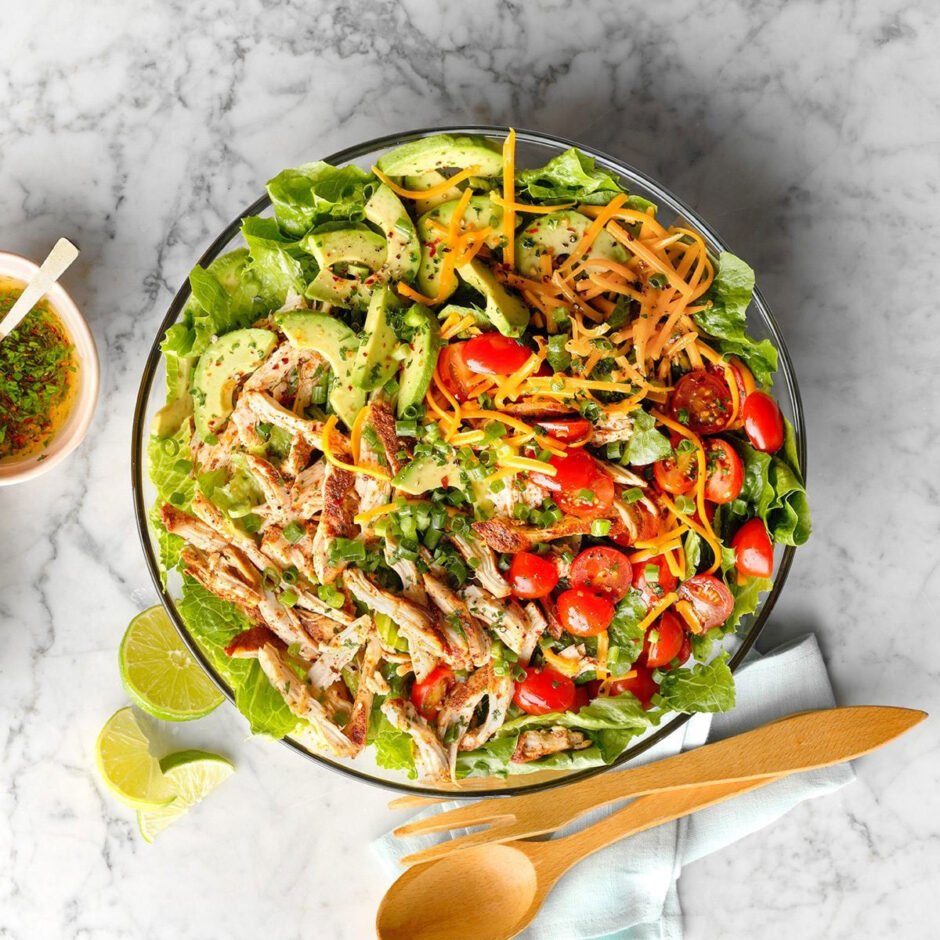
Not all salads are built for the fridge. The ones that work share a few traits: hearty greens that don’t turn to mush, proteins that reheat well or taste great cold, and vegetables that hold their crunch. Here are five base recipes that survive five days in a meal prep container without turning sad.
1. Classic Chicken & Avocado
High-protein, uses hearty kale and romaine. The key is packing the avocado with a squeeze of lime and pressing it against the container wall , the acid slows browning. Roast chicken breasts at 375°F for 25 minutes, let them rest, then slice. Dress with a simple lemon vinaigrette stored separately. This one holds up best in wide-mouth mason jars with dressing on the bottom.
2. Mediterranean Chickpea & Feta
Vegan-friendly (skip the feta), budget-friendly. Cucumber and tomato are moisture bombs , pack them in a separate compartment or a small silicone cup inside the container. The chickpeas and red onion can sit directly on the greens. A red wine vinegar and oregano dressing ties it together.
According to the USDA (2024), properly stored chickpeas remain safe in the fridge for 3–5 days, making this one of the longer-lasting options on this list.
3. Southwest Black Bean & Corn
High-fiber, uses bell peppers, corn, and a lime-cilantro dressing. Roast the corn and peppers together on one sheet pan at 400°F for 20 minutes , batch cooking vegetables like this cuts prep time in half. The dressing doubles as a marinade for the black beans. A common mistake is adding the dressing too early; keep it in a separate container until you’re ready to eat.
4. Keto Bacon & Egg
Low-carb, uses spinach, hard-boiled eggs, bacon bits, and a creamy ranch. Spinach is the most forgiving green in the fridge , it wilts slower than romaine or spring mix. Cook the bacon until extra crispy, then crumble it. Hard-boiled eggs last up to seven days in the shell; peel them right before assembling to avoid the sulfur smell seeping into the greens. A reader on r/MealPrepSunday put it simply:
“Any tips and recommendations for meal prep salads?”
— r/MealPrepSunday, 8 upvotes, 15 comments (2025), source
The top reply? “Crispy bacon and eggs last way longer than you think if you keep them dry.”
5. Asian Sesame Tofu & Edamame
Plant-based, uses shredded cabbage and carrots , two vegetables that actually get better after a day or two in the fridge. Press the tofu, cube it, and bake at 400°F for 25 minutes until golden. Toss with sesame oil, soy sauce, and rice vinegar. Pack edamame and shredded cabbage separately from the dressing. This salad improves by day two as the flavors marinate into the tofu.
Best Containers for Meal Prep Salads
The right container is the difference between a crisp Tuesday salad and a soggy Wednesday disappointment. Three options dominate: wide-mouth mason jars, snap-lid glass containers, and compartment bento boxes. Each serves a specific purpose based on how you build your salad.
Mason Jars (Wide-Mouth)
Wide-mouth mason jars excel at the salad layering technique , dressing on the bottom, hard vegetables next, then proteins, then greens on top. When you shake the jar at lunch, everything coats evenly without the greens wilting prematurely. The narrow opening makes them less ideal for large salads or bulky toppings like whole chicken breasts.
| Feature | Mason Jar | Glass Container | Bento Box |
|---|---|---|---|
| Best for | Dressing-on-bottom layering | Large-volume salads | Wet-dry separation |
| Airtight seal | Moderate (lid seals well) | Excellent (rubber gasket) | Good (snap clips) |
| Shake-to-eat | Yes | No (lift lid) | No (mix on plate) |
| Portability | High (fits cup holders) | Moderate (bulky) | High (stackable) |
Glass Meal Prep Containers (Snap-Lid)
Snap-lid glass containers are the workhorses of meal prep. Their airtight seal prevents leaks and keeps greens crisp for 5 to 7 days when paired with proper refrigerator storage tips , store them on the back shelf, not the door, where temperature fluctuates. The wide opening makes batch cooking vegetables and layering ingredients straightforward. Downside: they take up more fridge space than jars.
Bento Boxes with Compartments
Compartment bento boxes solve the wet ingredient problem. Tomatoes, cucumbers, and dressings stay in separate sections until serving, which directly answers the question “How do you keep prepped salads from getting soggy?” They’re excellent for high-protein or keto salads where you want ingredients to remain distinct. The trade-off is less total volume , you’re limited to smaller portions per compartment.
7-Day Salad Freshness Chart
Most meal prep guides tell you to “use within 3-5 days.” That’s too vague. Different ingredients have different expiration clocks, and mixing them blindly is why your Tuesday salad tastes like wet cardboard by Wednesday.
Here’s the real breakdown. Use this chart when assembling your containers to know exactly which ingredients need a freshness check before you pack your lunch.
| Ingredient | Prepped Fresh (Days) | Use-By Recommendation | Storage Note |
|---|---|---|---|
| Kale (massaged) | 5-7 | Day 6 | Stays crisp longest; add dressing day-of |
| Romaine (chopped) | 3-4 | Day 3 | Paper towel in container absorbs moisture |
| Spinach (washed) | 4-5 | Day 4 | Don’t pack wet; spin dry thoroughly first |
| Cooked chicken (diced) | 4-5 | Day 4 | Cool completely before layering |
| Hard-boiled eggs (sliced) | 3-4 | Day 3 | Keep in separate compartment if possible |
| Cherry tomatoes (halved) | 2-3 | Day 2 | Juice leaks fast; pack in a mini container |
| Cucumber (diced) | 2-3 | Day 2 | Release water quickly; salt draws moisture out faster |
| Bell peppers (sliced) | 4-5 | Day 4 | Hold up well; no special treatment needed |
| Avocado (sliced) | 1-2 | Day 1 | Add fresh each morning; prepping avocado is a losing game |
| Croutons | 2-3 | Day 2 | Pack separately or they go stale immediately |
| Dressing (vinaigrette) | 7-10 | Day 7 | Store in a separate small jar; never pour on early |
A common mistake is treating all greens equally. According to the USDA (2025), leafy greens stored above 40°F lose crispness 3x faster than those kept at a consistent 34-38°F. The back of your fridge is the only safe spot , the door fluctuates too much for delicate lettuce. One Reddit user put it plainly: “I stopped putting my containers in the door and my salads lasted two extra days.”
Frequently Asked Questions
How do you keep prepped salads from getting soggy?
The salad layering technique is the only reliable method. Dressing goes at the bottom of the container, followed by hearty vegetables (carrots, bell peppers), then proteins and cheese, with delicate greens on top. A dry paper towel placed under the lid absorbs condensation. The USDA notes that moisture control is the single most important factor in extending refrigerated produce life , wet greens spoil roughly 3x faster than dry ones.
How long do prepped salads last in the fridge?
Properly assembled salads using the layering method stay fresh for 5 to 7 days. Hearty greens like kale and romaine hold up longest; delicate spinach and arugula peak around day 4. The key variable is ingredient dryness. If you skip the salad spinner step, expect wilting by day 3. Store containers toward the back of the fridge, where temperatures stay most consistent.
What salads are best for meal prep?
Recipes built on sturdy greens and moisture-resistant vegetables perform best. Kale, cabbage, romaine, and shredded Brussels sprouts outlast spinach and spring mix by several days. Chickpea-based salads, grain bowls with quinoa, and protein-heavy options like chicken or tofu also hold texture well. Avoid pre-chopped avocado or tomato unless packed separately.
Can you meal prep salads with dressing?
Yes, but only if the dressing never touches the greens until serving. Pour dressing into the bottom of the container or a small separate compartment. A common mistake from Reddit users: adding dressing directly to greens and wondering why the salad turns to mush by Wednesday. The USDA recommends keeping wet and dry ingredients separated until consumption.
“How to meal prep this salad for lunches all week… I keep making them and they’re soggy by day 2.”
— r/MealPrepSunday, 10 upvotes, 5 comments (2025)
Do you wash lettuce before meal prepping?
Wash and dry lettuce before assembly, not before storage. Pre-washed bagged greens can go straight into containers. If you wash whole heads, soak in cold water for 5 minutes, then spin dry thoroughly. Residual moisture is the fastest route to slimy salads. The drying step takes 3 minutes and adds 2 days of shelf life.
Conclusion
The salad layering technique and the 7-day chart aren’t theory , they’re the difference between a sad, wilted Wednesday lunch and a crisp, satisfying one. Five recipes give you variety without complexity, and proper refrigerator storage tips keep everything fresh through day five. The barrier to entry is almost nonexistent.
Start with one recipe. The Classic Chicken & Avocado is the safest bet for beginners , hearty greens, forgiving ingredients, and a dressing that holds up for days. Scale to two recipes next week. By week three, you’ll have a rhythm: batch cooking vegetables on Sunday, assembling five containers in 30 minutes, and grabbing a lunch that actually tastes good on Thursday.
One reality check: meal prep containers matter more than you think. Airtight glass containers with snap lids prevent dressing leaks and ethylene gas cross-contamination. Wide-mouth mason jars work for the dressing-on-bottom layering method, but they’re harder to eat from. Choose what fits your routine, not what looks pretty on Instagram.
What many first-timers miss is the drying step. Wet lettuce is the fastest route to soggy salads. A salad spinner and a paper towel layer at the bottom of each container add two days of shelf life. That’s not a minor detail , it’s the difference between prep lasting three days versus six.
The 7-day chart and five recipes are tools. Use them. Adjust them. Your week of salads starts Sunday afternoon.