

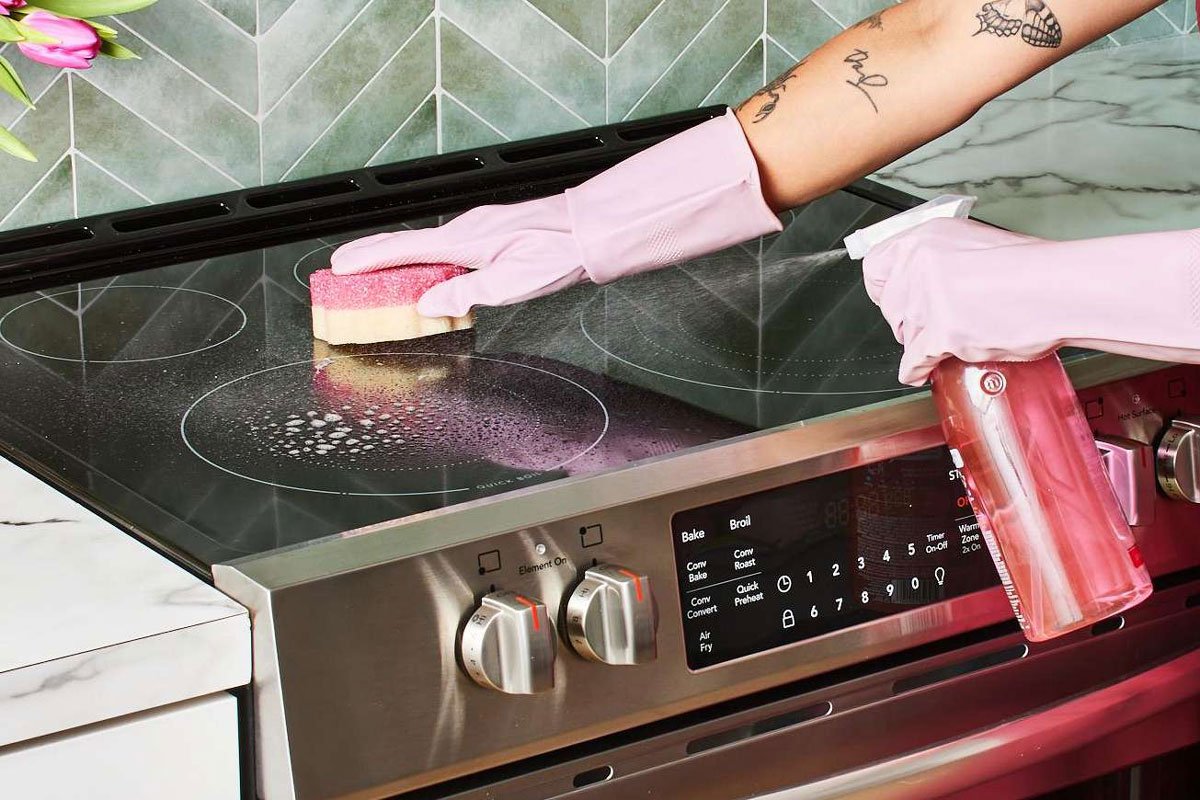
Your oven has baked dozens of meals, and the evidence is caked on the bottom, walls, and door. Commercial oven cleaners are packed with lye and caustic chemicals that require gloves, masks, and hours of ventilation. Learning how to naturally clean an oven saves you from those fumes while still getting sparkling results. The trick is matching the right method to your level of grime.
I tested five natural approaches side by side and compared them to find what really works. If you want to know how to naturally clean an oven without harsh chemicals, start here. Here is what I found out.
Why Clean Your Oven Naturally?
Oven cleaning is nobody’s favorite chore, but the method you choose matters for more than just cleanliness. Natural cleaning avoids the harsh chemicals found in commercial oven cleaners, many of which contain sodium hydroxide or potassium hydroxide. These substances can irritate your lungs and skin, and they leave residues that burn off during the next cooking cycle, producing unpleasant fumes.
Natural ingredients like baking soda, vinegar, and lemon cost pennies per use and are safe around food. They also eliminate the need for rubber gloves, ventilation, and lengthy scrubbing sessions. The trade-off is time: natural methods usually need to sit overnight rather than the 30-minute dwell time of chemical sprays.
| Method | Effort | Effectiveness | Time Required | Cost per Use |
|---|---|---|---|---|
| Baking soda + vinegar | Medium | High (heavy grime) | Overnight + 30 min | $0.15 |
| Lemon steam | Low | Moderate (light grime) | 45 minutes | $0.50 |
| Salt + baking soda | High | Very high (burnt-on) | Overnight + 45 min | $0.20 |
| Dish soap + vinegar | Low | Low (maintenance) | 20 minutes | $0.10 |
| Commercial chemical | Low | High (all grime) | 30 minutes | $5-8 |
Method 1: Baking Soda & Vinegar (The Gold Standard)
This is the most widely recommended natural oven cleaning method, and for good reason. If you are wondering how to naturally clean an oven, this is the place to start. Baking soda is a mild alkali that breaks down grease without scratching surfaces. Vinegar reacts with the baking soda to create a fizzing action that lifts burnt-on food particles.
What you will need: 1/2 cup baking soda, 3 tablespoons water, a spray bottle filled with white vinegar, a sponge, and a microfiber cloth.
Step 1: Remove oven racks and set them aside. You will clean these separately.
Step 2: Mix baking soda with water to form a spreadable paste. It should be thick enough to stay put on vertical surfaces without dripping.
Step 3: Spread the paste over the interior of the oven, avoiding the heating elements. Focus on areas with visible grease and burnt-on food.
Step 4: Let it sit overnight, at least 8 to 12 hours. The baking soda needs time to break down the grease. Heated ovens cool down, but a warm oven, about 150°F turned off, helps the paste work faster.
Step 5: Wipe out the dried paste with a damp sponge. Most of the grease will come off with it.
Step 6: Spray vinegar over any remaining residue. It will fizz on contact with the baking soda. Wipe clean with a damp cloth.
Step 7: Do a final wipe with plain water to remove any vinegar smell, then let the oven air dry with the door open for 30 minutes.
This method handles moderate to heavy grime in a single overnight session. For ovens that have not been cleaned in over a year, you may need a second application on stubborn spots.
Method 2: Lemon Steam Clean (Light Maintenance)
If your oven only has light splatters and you want a quick refresh, the lemon steam method takes 45 minutes with almost no scrubbing. This is ideal for monthly maintenance between deep cleans.
Fill an oven-safe bowl with water. Slice two lemons and drop them into the water. Place the bowl on the middle rack and heat the oven to 250°F for 30 minutes. The steam loosens food particles, and the lemon cuts through grease while leaving a fresh scent.
After 30 minutes, turn off the oven and let it cool for 10 minutes. Wipe down the interior with a damp cloth. Most loose debris will come off without any scrubbing.
“What’s the most effective method for cleaning your oven?”
— r/CleaningTips, December 2025 (14 upvotes)
The r/CleaningTips community consistently recommends the baking soda and vinegar method as the most effective natural approach, though several members noted that the lemon steam trick is excellent for light weekly or monthly maintenance. Why does this matter? Because choosing the wrong method for your level of grime leads to frustration and wasted effort.
Method 3: Salt & Baking Soda for Heavy-Duty Grime

For ovens with years of accumulated burnt-on grease, standard baking soda may not cut it. Adding coarse salt turns the paste into a mild abrasive that physically scours without scratching the enamel surface.
Mix 1/2 cup baking soda with 2 tablespoons coarse salt and enough water to form a thick paste. Apply it to the worst areas and let it sit overnight. When you wipe it off the next day, the salt crystals provide extra scrubbing power. Follow with vinegar spray as in Method 1.
This method was the top performer in Bren Did’s head-to-head test of eight natural oven cleaners, outperforming plain baking soda by a noticeable margin on heavily soiled surfaces.
How to Clean Oven Racks Naturally
Oven racks are often the most neglected part of the cleaning process, yet they collect just as much grease and burnt-on food as the oven floor. Most competitors skip this entirely, but the solution is simple.
Fill your bathtub or a large plastic bin with hot water. Add 1/2 cup baking soda and 1/2 cup white vinegar. Submerge the racks and let them soak for 2 to 4 hours. The baking soda and vinegar reaction lifts grease from the metal surfaces.
After soaking, scrub the racks with a non-scratch sponge or a nylon brush. Rinse thoroughly with water and dry before putting them back in the oven. For racks with heavy buildup, leave them soaking overnight.
A faster alternative for lighter soiling: lay the racks on a large trash bag, spray them with vinegar, sprinkle baking soda over the top, and let them sit for an hour before scrubbing.
How to Clean Oven Glass Door Naturally
The oven window is the first thing people see, and it is also one of the hardest areas to clean. Grease bakes onto the glass between the inner and outer panes, creating a foggy layer that blocks visibility.
For the inner glass surface accessible from inside the oven, make a paste of baking soda and water. Apply it to the glass and let it sit for 15 minutes. Scrub gently with a non-scratch sponge, then spray with vinegar and wipe clean.
For grease between the glass panes, you need to access the gap. Most ovens have a gasket or small screws holding the inner glass panel in place. Consult your oven manual before attempting disassembly. If that feels too involved, use a thin flexible ruler wrapped in a microfiber cloth to slide between the panes.
| Glass Cleaning Method | Best For | Time |
|---|---|---|
| Baking soda paste | Inner surface grease | 20 minutes |
| Vinegar spray + microfiber | Light smudges | 5 minutes |
| Razor blade scraper | Baked-on residue (use carefully) | 10 minutes |
| Between-glass cleaning | Foggy double-pane windows | 30 minutes |
How to Prevent Oven Grime Buildup
The best way to learn how to naturally clean an oven is to never let it get dirty enough to need deep cleaning in the first place. Prevention saves hours of scrubbing. Here are the strategies that make the biggest difference, gathered from cleaning experts and the Reddit community.
Use oven liners. A silicone or PTFE oven liner sits on the bottom rack and catches drips before they bake onto the oven floor. They cost around $10 and last for years. Just remove them before using the self-cleaning cycle, as high heat can damage some liners.
Cover dishes while baking. A simple sheet of aluminum foil under pies or casseroles catches spills before they hit the oven floor. For roasting, use a deep baking tray rather than a shallow one.
Wipe spills immediately. When something bubbles over during cooking, let the oven cool just enough to reach safely, then wipe the spill with a damp cloth. Fresh spills wipe off in seconds. Baked-on spills take hours of soaking.
Run a monthly lemon steam. The lemon steam method from Method 2 doubles as maintenance. A 30-minute steam session once a month prevents buildup from becoming heavy-duty grime.
“Mom has never cleaned her oven and swears self clean mode works”
— r/CleaningTips, April 2026 (336 upvotes, 86 comments)
A highly upvoted post on r/CleaningTips highlighted a common debate: can the self-cleaning cycle replace manual cleaning entirely? The community consensus was clear: the self-clean cycle works for light residue but can produce smoke, strong odors, and in rare cases, damage oven electronics or locks. For heavy buildup, manual natural cleaning is still required.
Frequently Asked Questions
What is the best ratio of baking soda to vinegar for oven cleaning?
Use 1/2 cup baking soda with 3 tablespoons of water to make the paste, then spray vinegar on top once the paste has done its work overnight. You do not mix them together in advance. The fizzing reaction is most effective when the vinegar hits the dried paste.
Is the self-cleaning cycle safe?
Generally yes, but with caveats. The self-clean cycle heats the oven to 800°F or higher to burn off residue, which can produce smoke and strong odors. Some older ovens have experienced lock failures or control panel damage during self-cleaning. Many in the r/CleaningTips community recommend manual natural cleaning instead to avoid these risks.
Do natural oven cleaners work as well as chemical ones?
For most household ovens, yes. Baking soda and vinegar handle moderate to heavy grease effectively given enough soak time. Chemical cleaners work faster, about 30 minutes vs. overnight, but require gloves and ventilation. For ovens with years of neglected buildup, the salt and baking soda method is comparable in effectiveness to commercial products.
Does the lemon bowl trick actually work?
The lemon steam method works for light soiling and maintenance cleaning. The steam loosens fresh spills and the lemon cuts through light grease. It will not remove years of baked-on residue. Think of it as a monthly maintenance tool rather than a deep-cleaning solution.
How do I get the vinegar smell out of my oven?
After cleaning, wipe the interior with plain water and leave the door open to air dry for 30 minutes. If the smell lingers, heat the oven to 200°F for 15 minutes with the door slightly ajar. The vinegar smell evaporates completely and leaves no taste in food.
How often should I clean my oven naturally?
Light cleaning with the lemon steam method every 4 to 6 weeks prevents buildup. A deep clean with baking soda and vinegar is needed every 3 to 6 months depending on how frequently you cook. If you notice smoke during cooking or visible grease buildup, it is time for a deep clean.
Can I leave the racks in the oven while cleaning?
No. Remove the racks before applying any cleaning method. The baking soda and vinegar mixture can damage the chrome finish on oven racks over time. Cleaning racks separately also produces better results, as they benefit from soaking.